

Imagine needing to send money home or save your life’s savings from hyperinflation, but your government has banned the very tools that could help. This is the daily reality for millions of people living in jurisdictions where traditional cryptocurrency exchanges are blocked, and banks refuse to process crypto-related transactions. If you live in a country with strict crypto restrictions, P2P crypto platforms often represent the only viable bridge between the digital asset world and your local currency.
In 2026, the landscape of peer-to-peer trading has evolved significantly. It is no longer just about buying Bitcoin on the dark web; it is a complex ecosystem involving escrow services, mobile money integrations, and sophisticated compliance filters. Understanding how these platforms work, which ones operate in high-risk zones, and how to stay safe is critical for anyone navigating these financial gray areas.
Why P2P Trading Thrives in Banned Markets
To understand why Peer-to-Peer (P2P) trading is a method of exchanging cryptocurrencies directly between users without a centralized intermediary so prevalent in restricted regions, we have to look at the economic pressure cookers these countries face. In nations like Nigeria, Turkey, and Venezuela, citizens face capital controls, severe inflation, or outright bans on holding foreign currency.
Traditional banking systems in these regions often fail to provide liquidity or protection against currency devaluation. For instance, when the Turkish lira lost significant value against the US dollar between 2018 and 2021, citizens turned to crypto as an inflation hedge. When central banks subsequently banned crypto payments, they didn't stop the demand; they just pushed it underground into P2P markets.
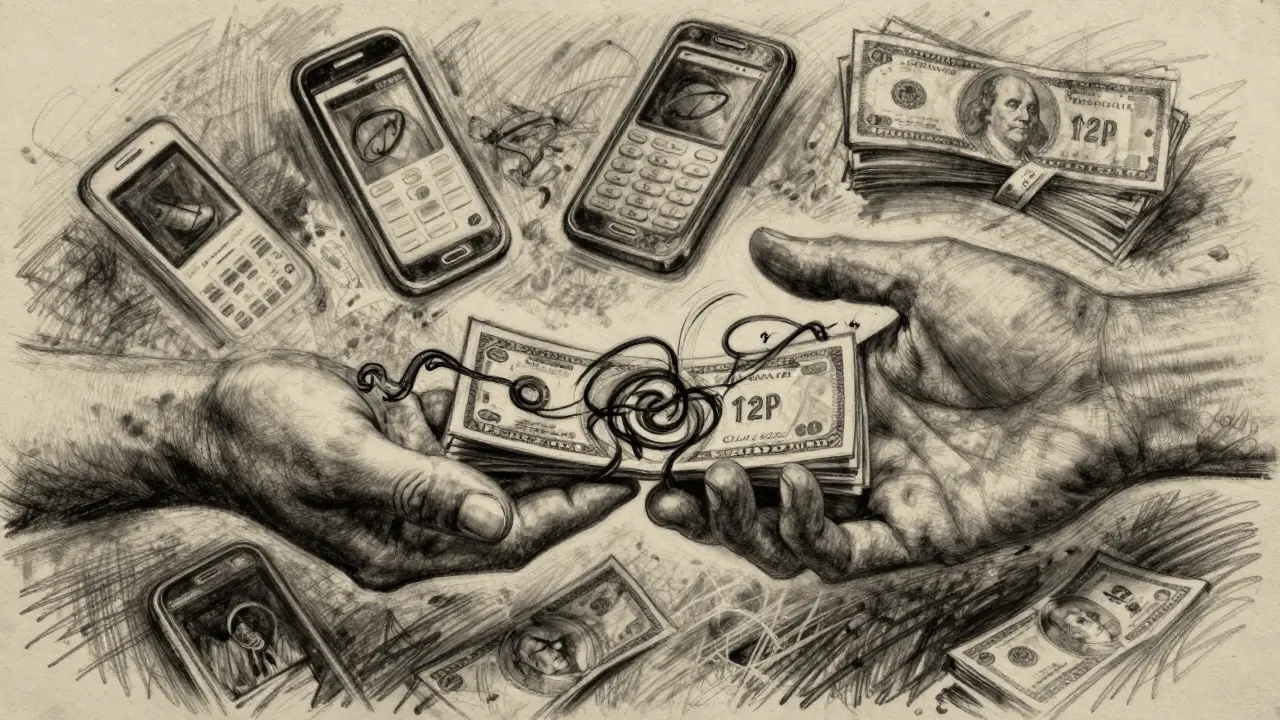
The core value proposition here is financial sovereignty. P2P platforms allow users to bypass restrictive capital controls by connecting buyers and sellers directly. Instead of sending money through a bank that might freeze your account, you trade directly with another person using methods like mobile money, cash deposits, or gift cards. The platform acts merely as an escrow service, holding the crypto until both parties confirm the fiat transfer is complete.
- Financial Inclusion: In Nigeria, studies showed that up to 87% of P2P users were previously unbanked, relying on these platforms for their first access to global finance.
- Remittance Cost Reduction: Traditional remittance fees can exceed 6.5%. P2P crypto transfers often drop this cost to around 1.2%, saving families significant amounts over time.
- Inflation Hedging: Users in countries with double-digit inflation use P2P to convert local currency into stablecoins or Bitcoin quickly.
Top P2P Platforms Operating in High-Risk Jurisdictions
Not all P2P platforms are created equal, especially when it comes to operating in restricted countries. Some platforms actively avoid high-risk jurisdictions to comply with international regulations, while others specialize in serving these markets. Here is how the major players stack up in 2026.
| Platform | KYC Requirement | Payment Methods | Fees | Risk Profile |
|---|---|---|---|---|
| Binance P2P | Strict (ID + Face) | Bank Transfer, Mobile Money, USDT | 0% (Maker), 0.1% (Taker) | High Liquidity, Moderate Risk |
| Paxful | Moderate | Gift Cards, Cash, Bank, Mobile Money | 0.5% - 1.5% | High Variety, Higher Fraud Risk |
| HodlHodl | None (Non-Custodial) | Bitcoin Only, Various Fiat | 0.6% per transaction | High Privacy, Low Liquidity |
| LocalBitcoins | Strict | Bank, PayPal, Western Union | Variable (Seller sets) | Declining Market Share |
Binance P2P is the largest P2P marketplace globally, integrated into the Binance exchange ecosystem. It dominates in Africa and Asia due to its massive liquidity and support for local payment methods like M-Pesa and local bank transfers. However, its strict Know Your Customer (KYC) requirements mean your identity is tied to your trades, which can be a risk if local authorities request data from Binance.
Paxful is a popular P2P platform known for accepting over 400 payment methods including gift cards. It remains a favorite in restricted markets because of its flexibility. You can buy Bitcoin with Amazon gift cards, iTunes vouchers, or even cash pickups. This variety is crucial in countries where bank transfers are monitored closely. The downside? Higher fees and a higher incidence of fraud attempts compared to more regulated platforms.
For those prioritizing privacy, HodlHodl is a non-custodial P2P Bitcoin exchange that does not require user registration or KYC. Because it is non-custodial, the platform never holds your funds. Instead, it uses multi-signature escrow wallets where you and the seller hold two keys, and a third key is held in escrow. This model makes it harder for governments to shut down the platform or seize assets, but it also means there is less buyer protection if a dispute arises.
Navigating Legal Risks and Account Freezes
Let’s address the elephant in the room: using P2P platforms in restricted countries carries legal risk. In countries like China, Algeria, Egypt, and Morocco, cryptocurrency usage is either banned or heavily restricted. While P2P platforms may technically operate outside these borders, your interaction with them-especially the fiat side of the transaction-can trigger alerts.
The biggest threat isn’t usually the crypto platform itself; it’s your local bank. Banks are required to monitor for suspicious activity. If you suddenly start receiving large deposits from unrelated individuals (who are actually selling you crypto), your bank may flag your account for money laundering concerns. In 2023, surveys indicated that over 20% of Nigerian P2P users experienced account freezes due to such flags.
To mitigate this risk, many users adopt specific strategies:
- Use Untraceable Payment Methods: Prefer cash deposits or mobile money over direct bank transfers where possible. Mobile money networks often have slower reporting cycles to central banks than traditional banking rails.
- Avoid Large Round Numbers: Transacting exact amounts like $1,000 or $5,000 can look suspicious. Varying your transaction amounts appears more natural.
- Separate Accounts: Use a dedicated bank account or mobile wallet solely for crypto-related transactions. Do not mix these funds with your salary or primary savings account.
- Understand Local Laws: Research whether your country bans usage or just mining and exchanges. In some jurisdictions, individual P2P trading exists in a legal gray area, while institutional trading is strictly prohibited.
It is also worth noting the impact of international regulations. The Financial Action Task Force (FATF) has issued guidelines requiring Virtual Asset Service Providers (VASPs) to follow the "Travel Rule," which mandates sharing sender and receiver information for transactions over $1,000. While P2P platforms argue they are just intermediaries, increasing pressure means that even decentralized solutions are facing scrutiny.
Safety First: Avoiding Scams on P2P Platforms
Fraud is the most immediate danger on P2P platforms, especially in restricted markets where users may be desperate and less experienced. Scammers exploit the trust-based nature of P2P trading. According to industry reports, fraud rates in restricted jurisdictions can be up to 43% higher than in regulated markets.
Here are the most common scams and how to avoid them:
- The Fake Receipt Scam: A buyer claims they have sent the money and uploads a forged screenshot of a bank transfer. Never release crypto until you see the funds actually credited to your account balance. Screenshots can be faked in seconds.
- The Chargeback Attack: A buyer pays via a reversible method like PayPal or a credit card, then disputes the charge after receiving the crypto. Stick to irreversible payment methods like bank transfers or cash whenever possible.
- The Phishing Link: A counterparty sends a message containing a link that looks like the official P2P platform login page. Never click links in chat messages. Always navigate to the platform manually.
- The Overpayment Trick: A buyer accidentally sends too much money and asks you to refund the difference. This is almost always a scam designed to get you to send crypto before the original fraudulent payment bounces.
To protect yourself, always trade with merchants who have high completion rates (95%+) and a long history of trades. Read the reviews specifically mentioning your country and payment method. If a deal looks too good to be true-such as a price significantly below market rate-it likely is.

Technical Barriers and Workarounds
In some restricted countries, accessing P2P platforms is technically difficult. Governments may block websites or remove apps from local app stores. For example, Google Play removes crypto apps in several banned countries, forcing users to download APK files directly.
If you cannot access a platform via the standard app store, you have a few options:
- Direct APK Downloads: Download the Android Package Kit (APK) directly from the platform’s official website. Ensure you verify the SHA-256 hash of the file to ensure it hasn’t been tampered with.
- Tor Browser: Some decentralized platforms offer .onion addresses accessible via the Tor network. This adds a layer of anonymity but can slow down transaction speeds.
- VPS Hosting: Renting a Virtual Private Server (VPS) in a neutral jurisdiction allows you to access platforms as if you were located there. However, this can complicate KYC verification if facial recognition detects a mismatch in location data.
Remember, technical workarounds do not erase legal risks. They simply make detection harder. Always prioritize security and operational discretion.
The Future of P2P in Restricted Regions
Looking ahead to late 2026 and beyond, the tension between regulation and adoption will only intensify. On one hand, countries like Nigeria and Vietnam are exploring regulatory sandboxes to bring crypto activities under control rather than banning them outright. On the other hand, institutions like the IMF continue to pressure countries to maintain strict capital controls.
We are seeing a shift towards more localized solutions. Regional platforms like Yellow Card in Africa are gaining traction by offering better customer support in local languages and integrating deeply with local mobile money ecosystems. Meanwhile, decentralized protocols like Bisq continue to grow among privacy-conscious users who want to avoid any central point of failure.
As blockchain technology matures, we may see more Layer 2 solutions that facilitate cheaper and faster P2P transactions, reducing the friction that currently drives users to centralized platforms. But for now, the battle lines are drawn: governments seeking control versus citizens seeking financial freedom. P2P platforms remain the frontline in this ongoing struggle.
Is it legal to use P2P crypto platforms in restricted countries?
The legality varies significantly by country. In some nations, P2P trading exists in a legal gray area, while in others, it is explicitly banned. Even if crypto itself is not illegal, engaging in transactions that violate capital control laws can lead to penalties. Always consult local legal experts or research current regulations carefully before trading.
Which P2P platform is safest for beginners in restricted markets?
For beginners, Binance P2P is often recommended due to its robust escrow system, high liquidity, and extensive user base. However, it requires strict KYC verification. For those prioritizing privacy over convenience, HodlHodl is a safer choice regarding data exposure, but it offers less buyer protection and lower liquidity.
Can my bank freeze my account for using P2P crypto?
Yes, this is a significant risk. Banks monitor for suspicious patterns, such as frequent small deposits from unrelated individuals. To reduce this risk, use separate accounts for crypto transactions, vary transaction amounts, and prefer irreversible payment methods like cash or mobile money.
How do I avoid scams on P2P platforms?
Always trade with verified merchants who have high completion rates and positive reviews. Never release crypto until you have confirmed receipt of funds in your own account. Be wary of deals with prices significantly below market value, and avoid clicking links sent by counterparties in chat.
What happens if a P2P platform shuts down in my country?
If a centralized platform restricts access, you may lose access to your fiat funds held in escrow or linked bank accounts. Decentralized platforms like HodlHodl or Bisq are less susceptible to shutdowns since they do not hold user funds. Diversifying across multiple platforms can mitigate this risk.
everyone is so focused on the tech they forget the human element of trust in these transactions
it is fascinating how we cling to digital illusions while ignoring the very real chains binding our economies :/ this guide reads like a manual for escaping a cage that was never truly locked to begin with if one looked closely enough at the bars
the sheer audacity of suggesting that bypassing sovereign financial regulations is a virtue rather than a vice is astounding to anyone with even a modicum of civic responsibility and historical awareness regarding economic stability mechanisms
i have observed that individuals who prioritize privacy over compliance often find themselves in legal gray areas that are less comfortable than they initially appear when authorities decide to enforce existing statutes with renewed vigor
it is encouraging to see resources being shared that help people navigate difficult financial landscapes with care and attention to safety protocols that protect their livelihoods
the concept of financial sovereignty is intriguing yet fraught with paradoxes when considered within the context of global interconnectedness and the inevitable regulatory responses that such decentralization provokes from established institutions
you can do this! 💪 always remember to verify your sources and keep your records straight because organization is half the battle when dealing with complex financial tools 🌟 stay safe out there friends!
i appreciate the detailed breakdown of payment methods as it helps clarify which options might be more suitable for different regional contexts without overwhelming the reader with unnecessary technical jargon
why are you guys so scared of banks anyway just use the system its easier stop whining about fees and capital controls its not that hard to follow rules maybe you should try working in finance before complaining about it
one must appreciate the elegance of non-custodial solutions though many fail to grasp the sophistication required to utilize them effectively ;)
people need to understand that breaking laws is not clever it is dangerous and selfish you are putting everyone else at risk by trying to circumvent systems designed to protect the economy from collapse
great read!! i think this will help many people!! please share with others who need it!!!
i found the section on avoiding scams particularly useful as it highlights common pitfalls that new users often overlook due to excitement or urgency
our country has strict laws for a reason and those who ignore them are foolish traitors to their own nation's stability
how much money are you losing exactly? do you really think hiding behind anonymity makes you smart?
oh look another article telling people how to break the law because apparently following rules is too boring for us all isn't it
let's work together to ensure everyone understands the risks involved here because knowledge is power and community support can make a huge difference in navigating these challenges
just stick to the basics and you'll be fine 👍
i recommend starting small and testing each platform thoroughly before committing significant funds as this approach minimizes potential losses while allowing you to learn the nuances of each service
you are all living in a matrix created by banks and governments and only crypto can free your mind from the shackles of fiat currency slavery
this is so exhausting to read why cant people just accept that the system works fine for most people
sure let's pretend that decentralized finance is some magical utopia where no one gets scammed and everyone follows the rules because that never happens in reality
make sure you check the sha-256 hash every time you download an apk file because malware distributors are getting smarter and using fake hashes to trick users
i understand the fear many feel when dealing with restricted currencies and i want to offer my support to anyone struggling to find safe ways to preserve their savings during these uncertain times
its really important to take ur time and not rush into transactions cause mistakes happen fast and fixing them is super hard so pls be careful ok
perhaps the true freedom lies not in the transaction itself but in the realization that we are all participants in a grand illusion :o