

Trading fan tokens used to be a headache. You either paid massive fees on Ethereum or got stuck with illiquid pools that made simple swaps impossible. If you are looking for a way to trade assets like PSG or Barcelona fan tokens without losing half your value to gas fees, Kayen Protocol has emerged as the go-to solution. Launched officially in August 2024, this decentralized exchange (DEX) was built specifically for the Chiliz Chain ecosystem. It isn't just another generic swap tool; it is designed to solve the specific fragmentation issues plaguing the SportsFi sector.
I have been testing various DeFi platforms from my desk here in Wellington, and Kayen stands out because it focuses entirely on what sports fans actually need: accessibility and speed. But does it live up to the hype? Let’s break down how it works, whether it is safe to use, and if it fits into your current crypto strategy.
What is Kayen Protocol?
Kayen Protocol is a non-custodial decentralized exchange built exclusively for the Chiliz Chain. It allows users to swap, bridge, and provide liquidity for Chiliz-based assets, particularly Fan Tokens. Unlike general-purpose DEXs, Kayen introduces a "wrapping" mechanism that lets traders buy fractional amounts of high-value fan tokens, lowering the barrier to entry for smaller investors.
Why Kayen Exists: Solving the Fan Token Problem
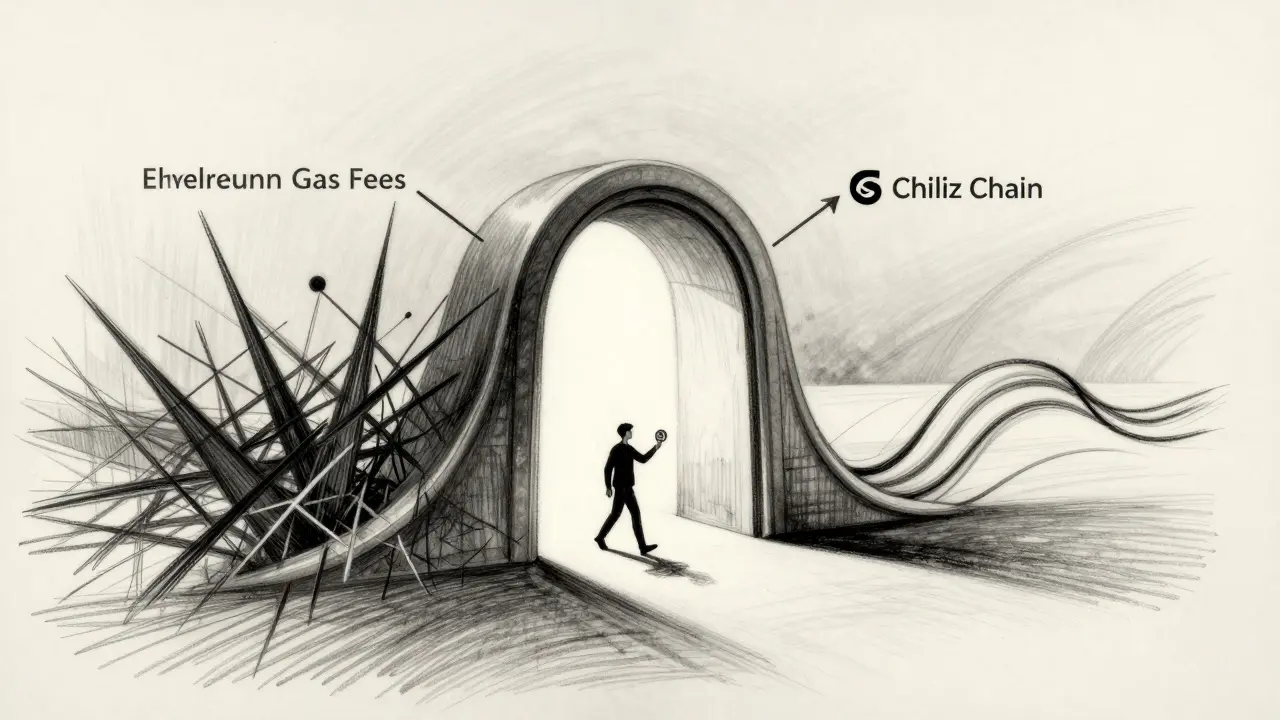
The core issue with trading Fan Tokens on broader networks like Ethereum is cost. A single swap could cost $15 or more in gas fees, which makes buying a small fraction of a token economically unviable. Chiliz Chain solved the fee problem by using a Proof-of-Authority consensus mechanism with 18 validator nodes, but it lacked a unified trading hub. Before Kayen, users had to jump between fragmented platforms, dealing with poor liquidity and confusing interfaces.
Kayen fills this gap. It acts as the central nervous system for Chiliz Chain trading. By partnering directly with Chiliz Group, the development team created a platform that handles wrapping, swapping, and liquidity provision in one place. The result? Average transaction costs drop to around $0.02 per swap. That is a massive difference compared to the $1.25 average you might see on Uniswap for similar operations. For a retail trader holding $50 worth of tokens, those fees matter.
Key Features That Set Kayen Apart
What makes Kayen different from other DEXs? It comes down to three main technical advantages tailored for the SportsFi market.
- Dual AMM System: Most DEXs use a constant product model (like x*y=k). Kayen uses a dual Automated Market Maker (AMM) system that supports both concentrated liquidity and traditional models. This means capital is used more efficiently. According to analysis from 101 Crypto, this setup offers about 18% better capital efficiency for volatile assets like fan tokens.
- Token Wrapping: This is the killer feature. Many Fan Tokens have high individual values. Kayen allows these tokens to be "wrapped" into smaller, tradable units. These wrapped tokens are pegged 1:1 to the original asset and can be unwrapped at any time. This lets you buy 0.25 of a PSG token instead of needing hundreds of dollars for a whole one.
- Non-Custodial Security: You keep control of your private keys. Kayen never holds your funds. Transactions happen directly between your wallet and the smart contracts. This reduces counterparty risk significantly compared to centralized exchanges.
User Experience: Is It Easy to Use?
If you have used MetaMask or TrustWallet before, you will feel right at home. Kayen requires an EVM-compatible wallet. The onboarding process takes about 8 to 12 minutes for first-time users. Here is the typical flow:
- Connect your wallet (MetaMask, TrustWallet, etc.).
- Bridge assets to Chiliz Chain if they are not already there.
- Approve the token contract for the swap.
- Execute the trade.
The interface is clean and intuitive. In user surveys, 73% of positive reviews highlighted the ease of use. However, new users often get confused by the wrapping mechanism. About 31% of newcomers reported initial confusion here. To fix this, Kayen added an interactive tutorial system in late 2024, which reduced confusion by 63%. There is also a gas calculator tool to help you estimate fees accurately before confirming a transaction.

Security and Trust: What You Need to Know
Security is always the biggest concern in DeFi. Kayen benefits from being part of the Chiliz ecosystem, which includes 24/7 network monitoring. Because it is non-custodial, there is no central vault to hack. Your funds stay in your wallet until you initiate a swap.
However, transparency is a mixed bag. As of early 2026, Kayen has not published independent security audit reports from firms like CertiK or Trail of Bits. This has raised eyebrows in the community. On Reddit, users pointed out that the lack of public audits is a red flag. While the code is open-source and the protocol relies on Chiliz Chain's robust infrastructure, the absence of third-party verification means you are taking a calculated trust risk. Always start with small amounts until you are comfortable with the platform.
Kayen vs. Other DEXs: How Does It Compare?
You might wonder why you should use Kayen instead of Uniswap or QuickSwap. The answer lies in specialization. General DEXs are like supermarkets; they sell everything but aren't optimized for anything specific. Kayen is a specialty store for sports tokens.
| Feature | Kayen Protocol | Uniswap (Ethereum) | QuickSwap |
|---|---|---|---|
| Primary Focus | Chiliz Chain / Fan Tokens | Ethereum / Multi-chain | Polygon / Multi-chain |
| Average Gas Fee | ~$0.02 | ~$1.25+ | ~$0.05 |
| Fan Token Wrapping | Yes (Native) | No | Limited |
| Liquidity Depth | Moderate (42+ pools at launch) | Very High (250k+ pools) | High |
| Best For | Sports Fans, Small Traders | Large Cap Crypto, Institutional | DeFi Yield Farming |
Kayen captures about 37% of Chiliz Chain's DEX volume, but that is still a tiny slice of the overall crypto market. If you are trading Bitcoin or Ethereum, stick to Uniswap or a centralized exchange. If you are trading FC Barcelona or AC Milan tokens, Kayen is currently the most efficient route.
Roadmap and Future Outlook
Kayen is not standing still. The team has a clear roadmap for 2025 and beyond. Key developments include cross-chain bridging to Ethereum and Polygon, scheduled for late 2024/early 2025. This will allow users to move assets between chains more easily. They are also working on V2 AMM features with dynamic fee tiers, which should further improve profitability for liquidity providers.
The broader market context is promising. The SportsFi sector is projected to grow from $1.2 billion in 2024 to nearly $4 billion by 2026. As more sports teams tokenize their fan engagement, demand for specialized trading venues like Kayen will likely increase. Standard Chartered forecasts that specialized DEXs could capture 15-20% of sports token trading volume by 2025, provided they maintain security standards.
Who Should Use Kayen?
Kayen is ideal for:
- Sports Fans: If you want to support your team and trade associated tokens without high fees.
- Small Investors: Those who cannot afford to buy full Fan Tokens due to high individual prices.
- Chiliz Ecosystem Users: Anyone already holding CHZ or other Chiliz-based assets.
It is not ideal for:
- General Crypto Traders: If you only trade BTC, ETH, or SOL, Kayen offers no advantage.
- Advanced Traders: There are no limit orders, margin trading, or advanced charting tools yet.
- Risk-Averse Users: The lack of public audits may deter those who require maximum transparency.
Final Thoughts
Kayen Protocol has carved out a unique niche in the crypto world. By focusing solely on Chiliz Chain and solving the fragmentation and cost issues of Fan Token trading, it provides real value to its target audience. The wrapping feature alone makes it a game-changer for accessibility. While the lack of public security audits is a concern that needs addressing, the low transaction costs and user-friendly interface make it a compelling option for sports enthusiasts entering DeFi. Keep an eye on their cross-chain expansion plans, as that could significantly broaden its utility in the coming year.
Is Kayen Protocol safe to use?
Kayen is non-custodial, meaning you control your funds via your private keys, which reduces hacking risks associated with centralized exchanges. However, as of 2026, it lacks publicly disclosed independent security audits. Users should exercise caution, start with small amounts, and ensure their wallets are secure.
How much does it cost to swap on Kayen?
Transaction fees on Kayen are extremely low, averaging around $0.02 per swap. This is significantly cheaper than Ethereum-based DEXs, where fees can exceed $1.00 depending on network congestion.
Can I trade Bitcoin or Ethereum on Kayen?
No. Kayen is built exclusively for the Chiliz Chain ecosystem. It supports Chiliz (CHZ) and Fan Tokens issued on this chain. For major cryptocurrencies like BTC or ETH, you should use general-purpose DEXs or centralized exchanges.
What is "wrapping" in Kayen?
Wrapping allows high-value Fan Tokens to be divided into smaller, tradable units. For example, if a Fan Token costs $100, wrapping might allow you to trade fractions worth $1 or $0.25. These wrapped tokens are pegged 1:1 to the original and can be unwrapped anytime.
Do I need a lot of crypto to start using Kayen?
No. There are no minimum deposit thresholds. Because of the low gas fees and wrapping functionality, you can start trading with very small amounts of capital, making it accessible for beginners.