
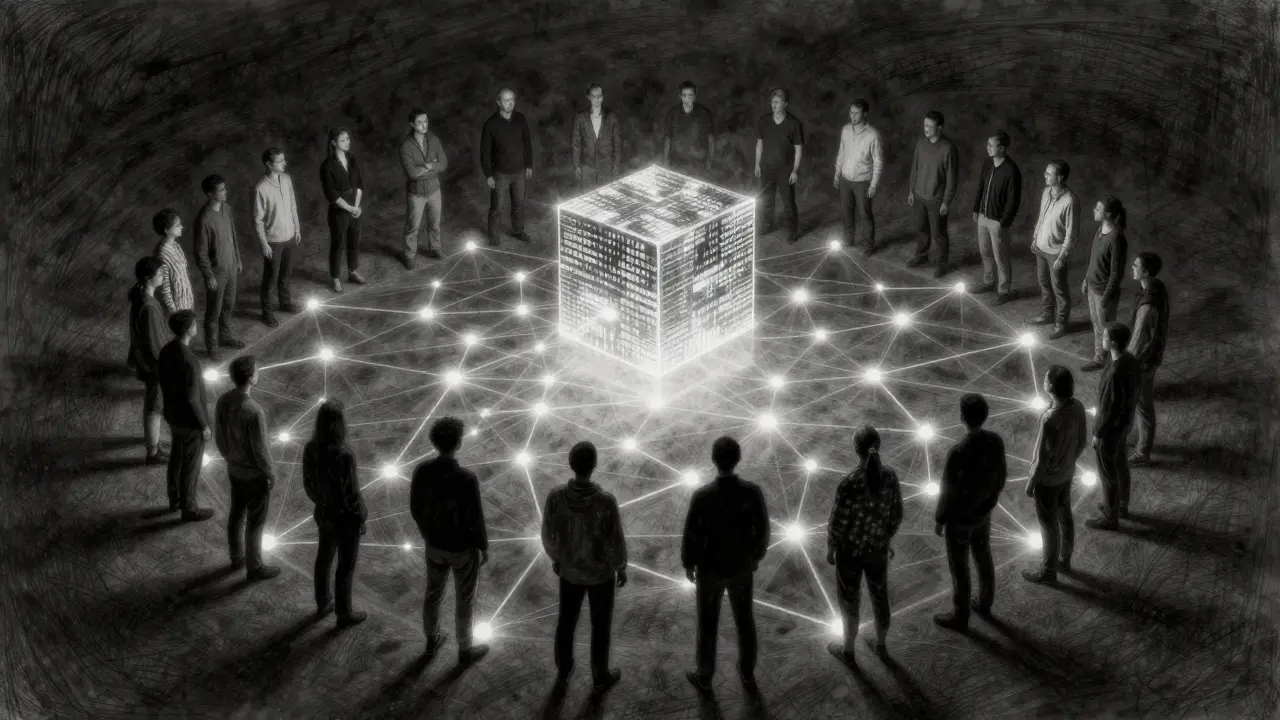
The Basics: How a DAO Actually Works
At its core, a DAO is an organization that lives on the blockchain. Instead of a legal contract signed in ink, it uses smart contracts, which are self-executing pieces of code that automatically trigger an action when certain conditions are met. If the community votes to spend 10 ETH on a marketing campaign, the smart contract doesn't wait for a manager to sign a check; it simply moves the funds once the vote passes.
This structure creates what some call "trustless governance." You don't have to trust that the leader is honest or that the accountant isn't skimming off the top because every single transaction and rule is public. Anyone with an internet connection can audit the treasury or check how a specific member voted. It's the ultimate version of transparency, though it does come with its own set of headaches, like slow decision-making because you can't just pivot on a dime when thousands of people need to vote.
Understanding the "DAO Coin": Governance Tokens
When people talk about a "DAO coin," they are usually referring to governance tokens. These aren't typically meant to be "money" in the traditional sense, but rather "voting chips." If you hold a DAO's token, you have a say in how the organization is run. Usually, the more tokens you own, the more weight your vote carries.
For example, in a Protocol DAO like MakerDAO, which manages the DAI stablecoin, token holders vote on risk parameters and stability fees. If you don't hold the token, you're essentially a passenger; if you do, you're part of the crew. However, this leads to a common criticism called "plutocracy," where a few "whales" (people with massive amounts of tokens) can effectively outvote thousands of smaller members, making the "democracy" feel a bit skewed.
| Feature | Traditional Company | DAO |
|---|---|---|
| Hierarchy | Top-down (CEO, Board) | Flat (Community-led) |
| Decision Making | Private / Centralized | Public / Token-based Voting |
| Transparency | Internal Audits / Reports | Real-time Blockchain Ledger |
| Execution | Manual / Legal Contracts | Automatic / Smart Contracts |
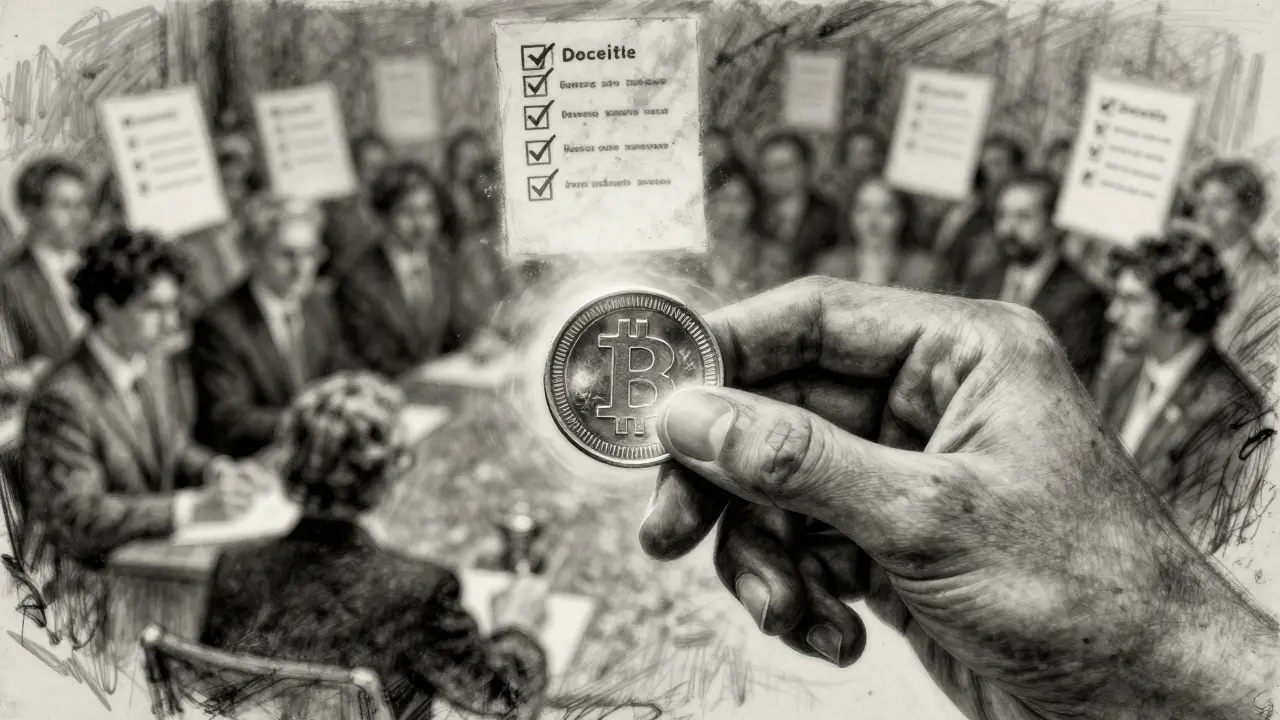
The Different Types of DAOs
Not all DAOs are trying to do the same thing. Depending on their goal, they generally fall into a few main buckets:
- Investment DAOs: These are like decentralized venture capital funds. Members pool their money to invest in early-stage projects or collectibles. A wild example is ConstitutionDAO, which raised $47 million from over 17,000 people to try and buy a rare copy of the U.S. Constitution.
- Social DAOs: These are more like exclusive clubs. You join by holding a token, and the community decides who gets in and what events they host.
- Service DAOs: These function like decentralized agencies. Instead of a boss assigning tasks, freelancers in the DAO bid on jobs and get paid via smart contracts.
- Protocol DAOs: These govern the technical rules of a blockchain project, like Uniswap or Aave, ensuring the software updates are agreed upon by the users.
The Dark Side: Risks and Failures
It sounds like a utopia, but DAOs have had some legendary crashes. The most famous is "The DAO," launched on the Ethereum blockchain in 2016. It was a massive success at first, raising $150 million in a month. Then, a hacker found a hole in the smart contract code and drained about $60 million.
The fallout was so chaotic that it actually split the entire Ethereum community in two. Some wanted to "roll back" the blockchain to get the money back, while others said that's against the rules of blockchain. This resulted in a "hard fork," creating Ethereum (ETH) and Ethereum Classic (ETC). This proved that while code is law, humans still have to deal with the mess when the code has a bug.
Is it Legal? The Regulatory Headache
One of the biggest hurdles for DAOs is that most governments don't know how to classify them. Are they partnerships? Corporations? Unincorporated associations? If a DAO gets sued, who is responsible? Every single token holder?
Some places are trying to fix this. Wyoming became a pioneer by passing laws that allow DAOs to be recognized as legal LLCs. This gives members some protection from personal liability. However, the SEC in the US has been less friendly, with Chair Gary Gensler suggesting that many governance tokens might actually be "unregistered securities" because people buy them expecting a profit from the efforts of others.
How to Actually Get Involved in a DAO
If you want to stop reading and start participating, you don't need a computer science degree, but you do need some basic tools. First, you'll need a cryptocurrency wallet (like MetaMask) to hold your tokens and sign votes. Next, you'll usually head to a governance platform like Snapshot or Tally, where proposals are posted and votes are cast.
Don't expect to change the world on day one. Most DAOs have a steep learning curve, and you'll likely spend a few dozen hours just reading through old proposals to understand the "meta" of the community. If you're not a "whale," your best bet is to join a "working group"-a smaller team of active members who actually do the legwork-to build a reputation and eventually influence the bigger votes.
Is there a specific coin called "DAO"?
Not really. While there might be small projects that use "DAO" in their name, a DAO is a structure, not a specific asset. When people refer to a DAO coin, they are usually talking about the governance token of a specific organization (like MKR for MakerDAO or UNI for Uniswap).
Can I make money investing in DAO tokens?
Yes, like any crypto asset, the price of governance tokens can go up or down based on the success and demand of the organization. However, be careful: many tokens are primarily for voting, and their value can be extremely volatile depending on regulatory news or technical bugs.
What happens if I lose my tokens? Do I lose my vote?
Yes. In a token-weighted system, your voting power is tied directly to the tokens in your wallet. If you lose your private keys or your tokens are stolen, you no longer have a say in the governance of that DAO.
Are DAOs better than traditional companies?
It depends on what you value. If you want transparency and a say in the direction of a project, DAOs are amazing. If you want fast decisions, clear leadership, and legal certainty, traditional companies are still far superior.
How long does a DAO vote usually take?
Most DAOs implement a voting period to give everyone a chance to participate. This typically lasts between 7 to 14 days. It's a slow process, which is why some DAOs are now experimenting with "delegation," where you let a trusted expert vote on your behalf.
The whole concept of "trustless governance" is a complete myth because you're just swapping trust in a CEO for trust in the developer who wrote the smart contract. If the code has a backdoor or a logic error, you're just as screwed as you would be with a corrupt board of directors. Most people don't even read the code they're voting on anyway, so they're basically just following the loudest voice in the Discord channel.
It's interesting to think about how this shifts the social contract from a legal one to a mathematical one.
There is something quite beautiful about a collective moving toward a common goal without a central authority, even if the execution is still clunky.
Imagine thinking a "group chat with a bank account" is a revolutionary way to run a business. It's literally just an inefficient version of a co-op but with more ways to get hacked by a teenager in Eastern Europe. Most of these governance tokens are just glorified ponzis meant to lure in retail investors who don't know what a smart contract even is.
classic plutocracy disguise as decentralization... basic econ 101 and yet here we are pretending tokens aren't just a way for whales to buy the vote. it's almost cute how naive the newcomers are about this.
I must humbly disagree with the cynicism here! While the systm has flaws, the intent to foster global collaboration is truly inspirring. We are merely in the infancy of this technology, and with a bit of patience and a spirit of cooperation, we can surely refine these governence models to be more equitable for all participants. Let us support each other in this learning journey!
STOP COMPLAINING AND JUST GET IN THE GAME! Whether it's a plutocracy or not, the money is moving and if you're sitting on the sidelines analyzing "flaws," you're just losing out on the biggest wealth transfer of the century! Get your wallet set up, join a working group, and actually contribute something instead of whining in the comments!
the government already owns the blockchain they just want us to think its decentralized so we keep putting our money into their traps... wyoming llc laws are just a way to track every single member for the eventual crackdown. code isnt law its a leash
The mention of the 2016 DAO hack is a convenient distraction from the fact that current "governance" is often just a facade for a small group of insiders who hold the majority of tokens via undisclosed wallets. If you look at the on-chain data, the concentration of power is far worse now than it was back then. It's a psychological game to make the retail crowd feel like they have agency while the whales manipulate the price and the policy simultaneously.
This is so exciting! India has so many talented developers who can lead the world in DAO creation and make our tech scene the most powerful on the planet! The potential for our youth to build these global structures is absolutely breathtaking!
It is indeed a steep learning curve. ☺ I suggest starting with smaller, community-focused DAOs to understand the dynamics before committing significant capital. ☺
Spot on. Simple and clear.
I find it quaint that people think "working groups" are a viable path to influence. Unless you're bringing significant intellectual capital or a massive network, you're just doing free labor for the whales. I've seen a dozen of these "inclusive" structures and they all end up as cliques of the same three people who happen to be friends on Twitter.
imagine caring about "cliques" while the rest of the world is still using paper checks lol. this is some real first world problem energy. just buy the tokens and vote or shut up. the efficiency of a smart contract beats your favorite board meeting any day of the week
I really appreciate how this breaks down the different types of DAOs. I've always wondered about the difference between a protocol and a service DAO. It makes a lot of sense that the incentives would be different depending on whether you're managing code or managing people.
The real issue here is the lack of moral accountability. In a traditional company, you can hold a CEO responsible for unethical decisions. In a DAO, everyone is responsible, which in reality means nobody is responsible. It's a recipe for systemic negligence masquerading as innovation.
its just like a big group project in school where one person does all the work and everyone gets the same grade lol
The Wyoming LLC approach is a fascinating compromise. It attempts to bridge the gap between the immutable nature of blockchain and the flexible, often messy nature of human law. I wonder if other states will follow suit or if the SEC will just continue to treat everything as a security until the entire industry moves offshore.
Let's remember to keep the conversation helpful for those just starting out. It's okay to be skeptical, but let's try to guide the newcomers toward the resources they need to make safe decisions. Everyone's journey into crypto is different!