
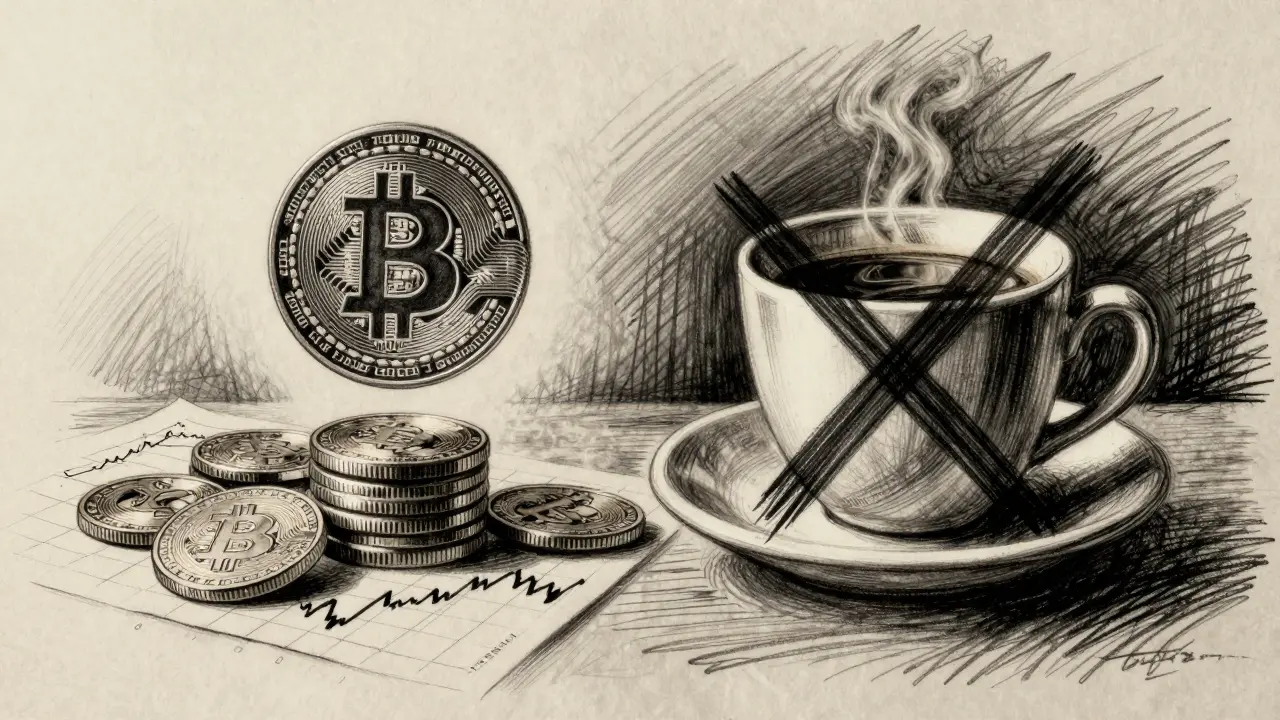
Buying Bitcoin in Turkey is legal. Paying for your morning coffee with it? That is strictly forbidden. This split reality defines the Turkish cryptocurrency market, which operates under a complex regulatory framework that separates investment from daily use. For traders and investors navigating this landscape in 2026, understanding these boundaries is not just helpful-it is essential to avoid frozen accounts or heavy fines.
The Central Bank of Turkey (TCMB) has maintained a hard line on digital assets since April 2021. While you can own, buy, and sell cryptocurrencies as an investment vehicle, using them as a method of payment for goods and services is prohibited. The Turkish lira remains the sole legal tender. This distinction creates a unique environment where high trading volumes coexist with strict usage limits.
The Licensing Hurdle: Who Can Operate?
If you are looking to trade crypto in Turkey, you cannot just sign up with any global platform. The Capital Markets Board (CMB) requires all Crypto Asset Service Providers (CASPs) to obtain specific operating licenses. Under the amendments enacted in July 2024, the barrier to entry has become significantly higher, designed to filter out small players and ensure stability.
To get licensed, exchanges must meet substantial capital requirements:
- Crypto Exchanges: Minimum capital of 150 million Turkish lira (approximately $4.1 million).
- Custodians: Minimum capital of 500 million Turkish lira (approximately $13.7 million).
These figures are steep compared to many European jurisdictions. The goal is clear: only well-capitalized firms with robust infrastructure should operate within the country. Additionally, every provider must undergo mandatory technological system audits conducted by the Scientific and Technological Research Council of Türkiye (TÜBİTAK). This ensures that the platforms handling user funds have secure, reliable systems that meet national standards.
| Requirement | Exchanges | Custodians |
|---|---|---|
| Minimum Capital | 150 Million TRY | 500 Million TRY |
| Auditing Body | TÜBİTAK | |
| Licensing Authority | Capital Markets Board (CMB) | |
| AML/KYC Enforcement | MASAK | |
Identity Verification and KYC Rules
Gone are the days of anonymous crypto wallets in Turkey. The Financial Crimes Investigation Board (MASAK) enforces strict Anti-Money Laundering (AML) and Know-Your-Customer (KYC) protocols. If you execute a transaction exceeding 15,000 Turkish lira (roughly £425), identity verification becomes mandatory.
This threshold is relatively low, meaning most active traders will need to provide personal identification documents. Unregistered wallets face even stricter scrutiny. The system is designed to create a transparent trail for every significant movement of digital assets. For users accustomed to privacy-focused coins or decentralized finance (DeFi) anonymity, this represents a major shift. You must be who you say you are, and your exchange must verify it.
The Payment Ban and Its Workarounds
The prohibition on using cryptocurrency for payments is the most visible restriction for everyday users. Unlike the European Union’s MiCA framework, which allows regulated crypto payments, Turkey draws a sharp line between speculation and commerce. You cannot pay a merchant directly in Bitcoin or Ethereum.
This ban has created a vibrant, albeit risky, grey market. Many Turkish residents turn to peer-to-peer (P2P) trading methods to convert their crypto holdings into Turkish lira for daily expenses. While P2P platforms offer flexibility, they carry increased regulatory risk. Authorities are actively monitoring these channels for illicit activities. Users often express frustration on forums, noting that while they appreciate the legal clarity around ownership, the inability to spend crypto limits its practical utility as a hedge against inflation.
Enforcement: Blocking Unauthorized Platforms
The regulators do not sit idle. In July 2024, the CMB blocked access to several unauthorized platforms, including popular decentralized exchanges like PancakeSwap. This move demonstrated that the government is willing to enforce technical blocks against entities that do not comply with local licensing laws.
For international firms, entering the Turkish market now requires navigating language barriers and detailed compliance documentation. The learning curve is steep, typically taking 6 to 12 months for full regulatory approval. Support from regulators varies; while the CMB provides guidance, MASAK’s enforcement actions can create uncertainty. The message is consistent: if you are not licensed, you are not welcome.
Upcoming Changes: Account Freezing Powers
Looking ahead, the regulatory net is tightening further. Draft legislation being prepared for the Grand National Assembly aims to grant MASAK unprecedented authority. The proposed bill would allow the board to freeze cryptocurrency accounts linked to criminal activity, such as illegal gambling or financial fraud.
Specifically, the law targets "rented accounts"-situations where criminals pay individuals to use their bank or crypto accounts for money laundering. If passed, MASAK could:
- Freeze or close accounts across payment systems and banks.
- Impose transaction limits on suspicious entities.
- Blacklist crypto wallets associated with illicit behavior.
This aligns Turkey more closely with Financial Action Task Force (FATF) global standards. For legitimate traders, this means enhanced security but also greater potential for account freezes if algorithms flag unusual activity. Staying within the bounds of declared income and verified transactions is crucial.
Taxation and Market Context
As of late 2025, profits from cryptocurrency trading remain untaxed in Turkey. This status has attracted significant interest from domestic investors seeking to hedge against the volatility of the Turkish lira. Despite the payment restrictions, trading volumes have grown consistently. Local exchanges like BTCTurk and Paribu maintain large user bases, benefiting from the consolidation of the market around compliant, well-capitalized providers.
However, this tax-free status may not last forever. As the regulatory framework matures, the government may seek additional revenue sources from the growing digital asset sector. Investors should monitor legislative updates closely, as changes to tax policy could impact profitability.
Is it legal to buy cryptocurrency in Turkey?
Yes, buying and owning cryptocurrency is legal in Turkey. However, you must use licensed exchanges regulated by the Capital Markets Board (CMB). Using unlicensed foreign platforms carries risks, including potential blocking by authorities.
Can I pay for goods with Bitcoin in Turkey?
No. The Central Bank of Turkey (TCMB) prohibits the use of cryptocurrency for payments. Only the Turkish lira is recognized as legal tender for commercial transactions.
What happens if I trade without KYC verification?
Transactions exceeding 15,000 Turkish lira require mandatory identity verification. Unverified wallets may face restrictions, and failure to comply with KYC rules can lead to account freezes or reporting to MASAK.
Are crypto profits taxed in Turkey?
As of late 2025, cryptocurrency profits are generally untaxed in Turkey. However, regulations are evolving, and investors should stay updated on potential future tax laws.
Which exchanges are allowed to operate in Turkey?
Only exchanges licensed by the Capital Markets Board (CMB) can legally operate. Major local platforms include BTCTurk and Paribu. International platforms must also obtain a license and meet capital requirements to serve Turkish users.