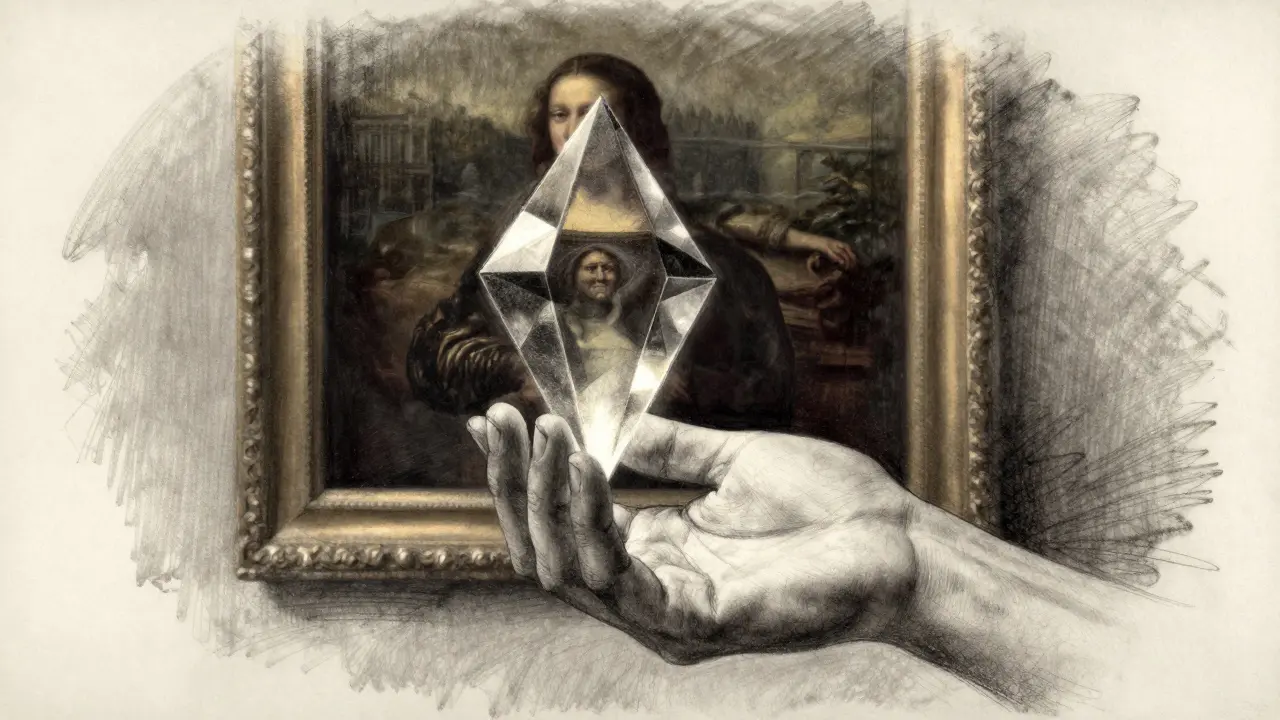
Imagine buying a slice of a blue-chip painting without needing millions in the bank. That’s the promise behind K21, a cryptocurrency token that represents fractional ownership in a closed-end vault containing 21 unique digital artworks. It isn’t just another meme coin or a governance token for a decentralized finance protocol. K21 attempts to bridge the gap between traditional high-art investment and the accessibility of blockchain technology.
If you’ve stumbled upon this ticker on an exchange list, you’re probably asking: what exactly do I own when I hold K21? Is it a store of value, a speculative bet, or something else entirely? Let’s break down the mechanics, the risks, and the reality of this specific asset class as we stand in May 2026.
The Core Concept: Fractionalizing a Closed-End Art Vault
To understand K21, you have to look past the price chart and look at the underlying asset. Most cryptocurrencies derive value from network utility, staking rewards, or community hype. K21 derives its theoretical value from a fixed collection of Non-Fungible Tokens (NFTs). Specifically, the vault holds 21 original works by contemporary and cryptonative artists.
This structure is known as a "closed-end fund" model applied to digital assets. Unlike an open-ended fund where new assets can be added continuously, the K21 vault is static. There are only 21 pieces. This creates a sense of scarcity. When you buy one K21 token, you aren’t buying a share in a company; you are buying a tiny fraction of the total value of those 21 artworks combined.
The project positions itself as a protocol for "composability, durability, and equity." In plain English, this means they aim to make art investment liquid (easy to sell), permanent (stored on-chain), and fair (benefiting the creators). By tokenizing the vault, K21 allows investors who might never afford a $50,000 digital artwork to gain exposure to its potential appreciation.
Tokenomics: Supply, Scarcity, and Distribution
The numbers behind K21 are designed to enforce scarcity, a key driver in both art and crypto markets. Here is the breakdown of the token supply:
- Total Maximum Supply: Exactly 21,000,000 tokens. No more will ever be minted.
- Circulating Supply (May 2026): Approximately 18 million to 18.39 million tokens.
- Inflation Rate: Effectively zero, as the max supply is hard-capped.
With roughly 86% to 88% of all tokens already in circulation, there is no massive inflationary pressure waiting to dilute your holdings. However, the relatively low circulating supply compared to major assets like Bitcoin or Ethereum means the market cap remains small. As of mid-2026, K21 ranks around #4,147 on aggregators like CoinGecko, placing it firmly in the "micro-cap" category. This status implies high volatility but also lower liquidity compared to top-tier coins.
The Unique Voting Mechanism: Veto Power, Not Governance
One of the most distinct features of K21 is how it handles voting rights. In most DeFi projects, token holders vote on protocol changes, fee structures, or treasury allocations. K21 does not offer standard governance.
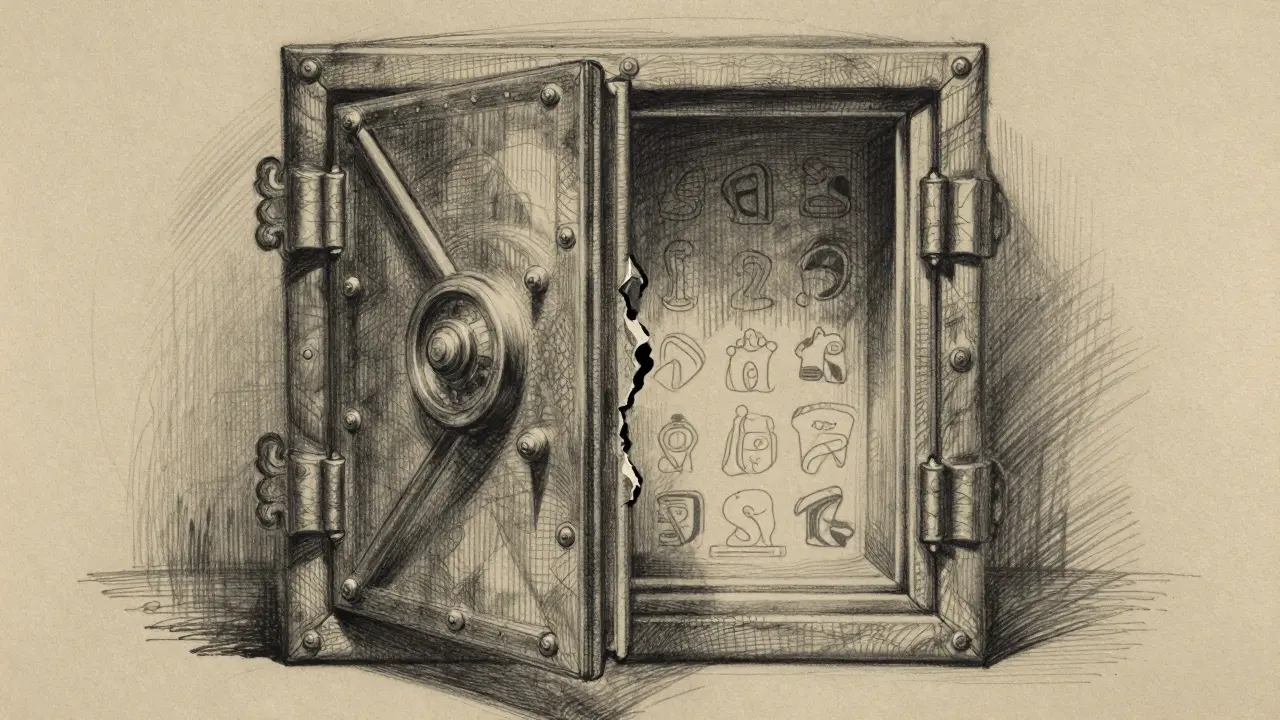
Instead, K21 holders possess a specific right: the ability to veto buyout bids. If a third party wants to purchase the entire vault of 21 artworks, they must submit a bid. Token holders then vote on this offer. To block a sale, a consensus of 21% of the token supply must vote against the buyout.
Here is why this matters: if the community successfully vetoes a bid, the NFTs remain in the vault, preserving their long-term potential. Crucially, if a veto occurs, the token holders receive a share of the bid proceeds as compensation for rejecting the immediate cash-out opportunity. This mechanism aligns the interests of short-term traders and long-term believers, ensuring that the vault isn’t sold off cheaply without community consent.
Artist Equity and Social Impact
Traditional art markets are notoriously opaque, with galleries and auction houses taking significant cuts while artists often see little secondary market revenue. K21 attempts to fix this through equitable profit-sharing protocols.
The token structure includes mechanisms to ensure that artists whose works are in the vault receive fair compensation. This extends beyond just the initial sale; it includes ongoing benefits tied to the token’s performance and trading activity. Additionally, the project supports causes aligned with these artists, creating a social impact layer that appeals to ethically conscious investors. This "mutually beneficial ecosystem" aims to prevent the exploitation common in early NFT drops, where creators were left holding the bag after speculators exited.
Market Performance and Liquidity Reality Check
Let’s talk about the money. As of May 2026, K21 exhibits the classic traits of a niche micro-cap asset: high volatility and fragmented liquidity.
| Source | Price (USD) | 24h Volume (USD) | Market Cap (USD) |
|---|---|---|---|
| Binance | $0.0219 | $203 | $403,100 |
| CoinGecko | ~$0.025 | $65,230 | ~$626,600 |
| DropsTab | $0.020 - $0.034 | $24,229 | ~$626,600 |
| Crypto.com | $0.0204 | $10,058 | N/A |
Notice the discrepancy in volume. On Binance, daily volume is a mere $203, while CoinGecko reports over $65,000. This fragmentation means liquidity is thin on certain exchanges. If you try to buy or sell a large amount of K21, you could significantly move the price against yourself-a phenomenon known as slippage.
Longer-term trends show caution. Over the previous 90 days, K21 declined nearly 50% from its recent highs. While it outperformed the broader crypto market slightly in the last week (+2.7%), it lagged behind similar Ethereum-based assets. This indicates that K21 is driven more by its specific narrative (art vault) than by general market sentiment.
How to Buy and Store K21
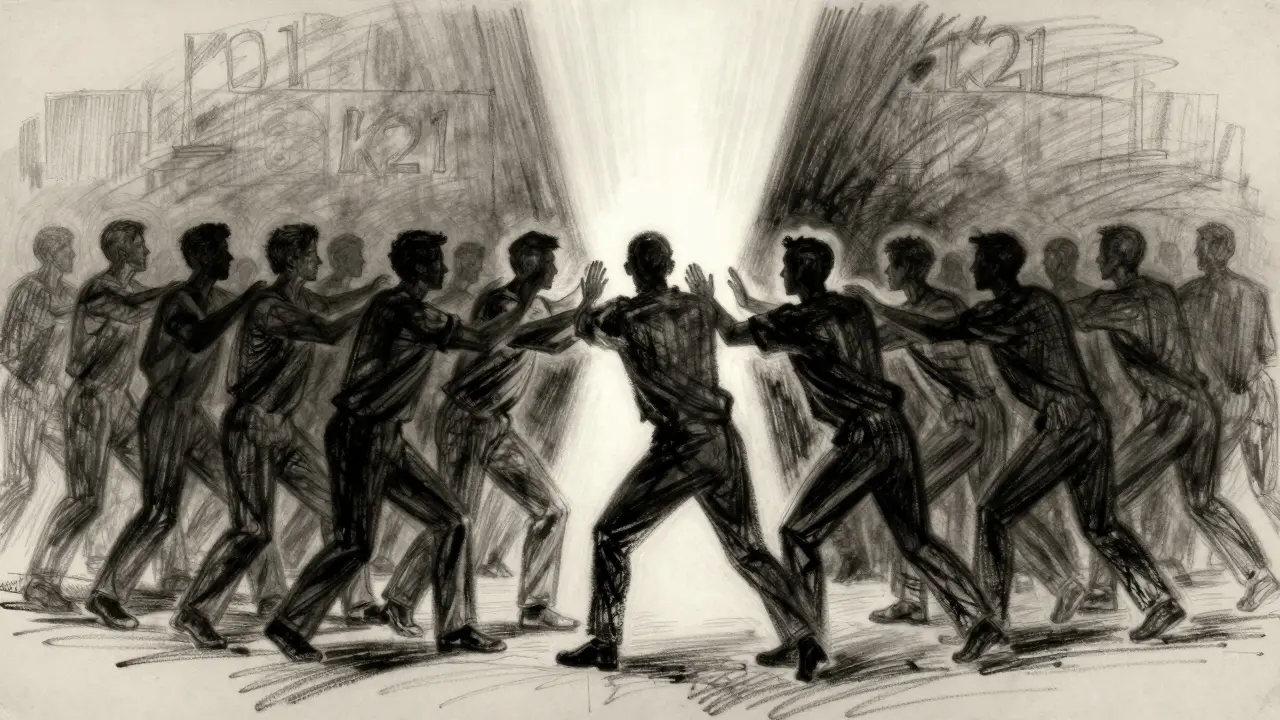
Since K21 operates on the Ethereum blockchain, you need an Ethereum-compatible wallet. MetaMask is the most common choice. You’ll need the contract address to import the token manually if your exchange doesn’t support it directly:
0xb9d99c33ea2d86ec5ec6b8a4dd816ebba64404af
Be careful here. Always verify this address on official sources like CoinGecko or the project’s verified documentation. Fake tokens with similar names are common in the micro-cap space. Once imported, you can trade K21 on decentralized exchanges (DEXs) like Uniswap or centralized platforms that list it, such as LBank or Binance (if available in your region).
Risks and Considerations for Investors
Before allocating funds to K21, consider these specific risks:
- Liquidity Risk: Low trading volumes mean you might struggle to exit a position quickly without impacting the price.
- Valuation Uncertainty: The value of the underlying NFTs is subjective. Digital art markets are volatile and trend-dependent.
- Smart Contract Risk: Like any ERC-20 token, K21 relies on smart contracts. While audited protocols are safer, bugs can exist.
- Regulatory Ambiguity: Tokenized real-world assets (like art) face evolving regulatory scrutiny globally.
K21 is not a passive investment. It requires active monitoring of the art market, the NFT sector, and the specific dynamics of the vault’s voting mechanisms. It is best suited for investors who understand fractionalization and want diversified exposure to digital culture assets, rather than those seeking quick flips.
Is K21 a good investment in 2026?
Whether K21 is a "good" investment depends on your risk tolerance. As a micro-cap token with a niche focus on art vaults, it carries higher risk than major cryptocurrencies. Its value is tied to the appreciation of 21 specific NFTs and the success of its fractional ownership model. If you believe in the long-term value of digital art and want diversified exposure, it may fit a small portion of a diversified portfolio. However, due to low liquidity and recent price declines, it is not suitable for conservative investors.
What happens if someone buys the entire K21 vault?
If a buyer offers to purchase the entire vault, token holders vote on the bid. If less than 21% of holders vote to veto, the sale proceeds, and token holders receive their proportional share of the proceeds. If 21% or more vote to veto, the sale is blocked, the NFTs remain in the vault, and token holders still receive a share of the bid proceeds as compensation for rejecting the sale.
Why is the K21 price different on Binance vs. CoinGecko?
Price discrepancies occur because K21 trades on multiple exchanges with varying levels of liquidity. Binance has very low volume ($200/day), leading to wider spreads and potentially outdated prices. CoinGecko aggregates data from deeper pools, including DEXs, resulting in a more representative market price. Always check the order book depth before trading.
Does holding K21 give me governance rights?
No, K21 does not grant standard governance rights like voting on protocol upgrades. Instead, it provides a specific veto power regarding buyout bids for the art vault. This is a protective mechanism rather than a general governance tool.
Who are the artists in the K21 vault?
The vault contains 21 works by contemporary, digital, and cryptonative artists. While specific names are curated by the project team, the emphasis is on influential figures in the digital art space. For detailed artist profiles, refer to the official K21 website or the vault’s public ledger on the Ethereum blockchain.