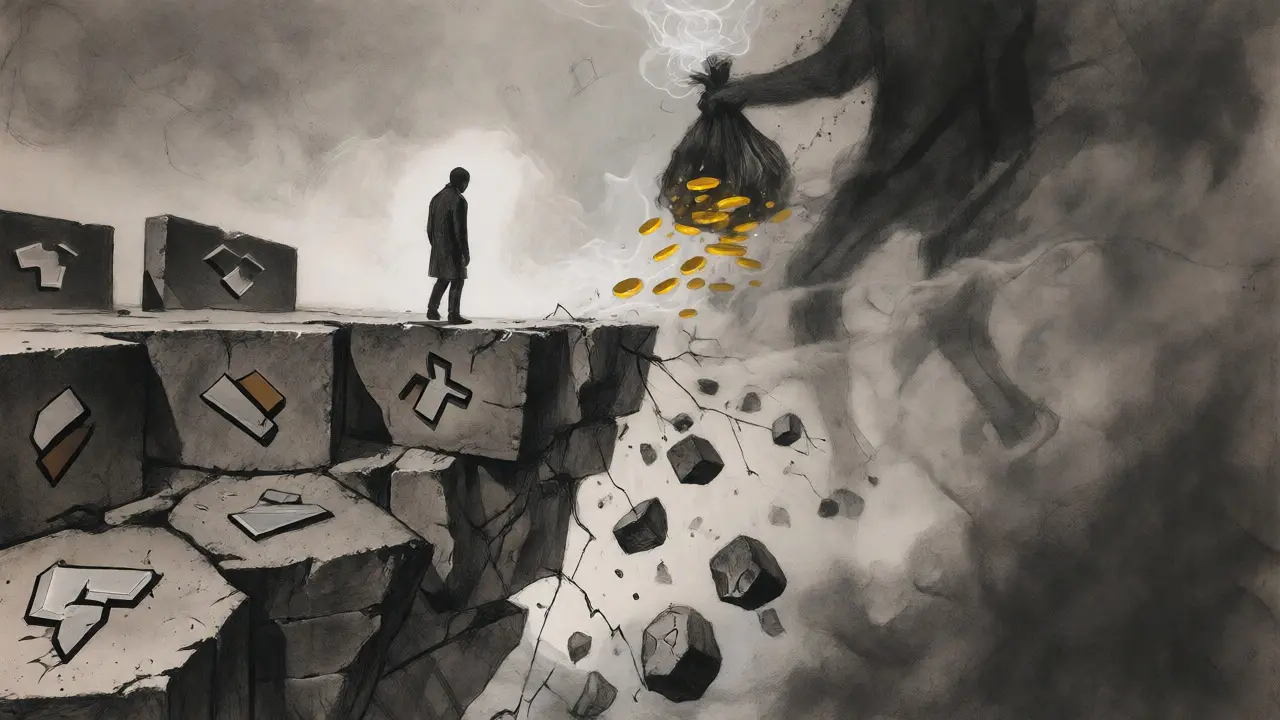
Ever tried to launch your own cryptocurrency and felt the fear of getting "rugged"? That’s the nightmare every meme coin trader knows: a developer creates a token, collects your money, and then vanishes. Ape.lol claims to fix this broken system. It’s a Solana-based platform that lets you create tokens for just $1 while automatically locking liquidity to prevent scams. But with a native token called APE that trades at fractions of a cent and near-zero volume, is it a hidden gem or a ghost town?
Let’s cut through the noise. If you’re here because you saw the ticker "APE" and thought it was connected to the famous Bored Apes, stop right there. This is a completely different project. While ApeCoin powers the Yuga Labs ecosystem, Ape.lol is a utility token for a specific launchpad on the Solana blockchain. The confusion is real, but so are the risks. By late 2026, the meme coin market has matured, yet platforms like Ape.lol still struggle for relevance against giants like Pump.fun. So, what exactly is going on with Ape.lol, and does its security model actually work?
The Core Problem Ape.lol Tries to Solve
Meme coins are volatile by nature, but the biggest risk isn’t price swings-it’s exit scams. In traditional launchpads, developers hold the keys to the liquidity pool. They can withdraw all the funds whenever they want, leaving investors holding worthless bags. Ape.lol attempts to remove human error and greed from the equation using smart contracts.
Here is how their mechanism works in plain English:
- Creation Cost: You pay roughly $1 to deploy a new token. This low barrier invites experimentation but also spam.
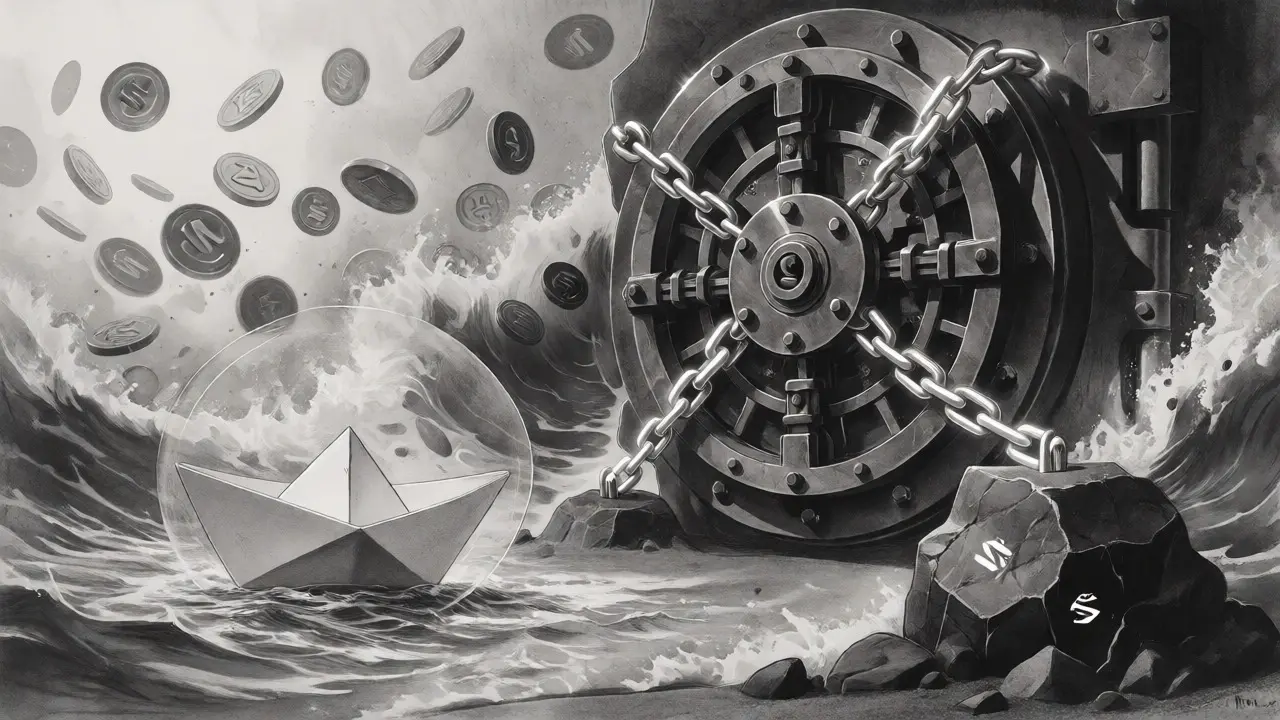
- Liquidity Lock: Unlike competitors where devs control the pool, Ape.lol automates this. Tokens are only deployed to Raydium (a major Solana decentralized exchange) once they hit a market cap of $42,000.
- Rug Pull Protection: Because the liquidity is locked by the platform’s code rather than the developer’s wallet, the creator cannot simply steal the funds after launch.
This approach sounds robust on paper. However, locking liquidity doesn’t guarantee the project has value. It just means the developer can’t run away with the initial buy-in immediately. If no one buys the token after it hits the threshold, the price can still crash to zero due to lack of interest.
Understanding the APE Token Utility
The native token, APE, serves two main purposes within the ecosystem: governance and deflationary mechanics. Every time a user creates a token on the platform, fees are generated. A portion of these fees is used to buy back APE tokens from the open market and burn them permanently.
The idea is simple economics: reduce supply, increase scarcity. With a maximum supply capped at 1 billion tokens and a circulating supply hovering around 999 million, the burn rate needs to be significant to make a dent in the price. As of recent data, the token trades at microscopic prices-often below $0.00003. At this level, even small buybacks barely move the needle unless trading volume spikes dramatically.
| Metric | Value | Context |
|---|---|---|
| Blockchain | Solana | High speed, low fees ($0.00025 avg) |
| Max Supply | 1,000,000,000 APE | Fixed cap, highly deflationary potential |
| Launch Date | June 20, 2024 | Operational for over 2 years as of Sept 2026 |
| 24h Volume | <$10 (Varies) | Extremely low liquidity; high slippage risk |
Ape.lol vs. Pump.fun: The Battle for Solana Users
You cannot talk about Ape.lol without mentioning Pump.fun. Launched in late 2023, Pump.fun dominated the Solana meme coin scene, capturing an estimated 85% of new launches during its peak. Why hasn’t Ape.lol stolen that thunder?
Pump.fun relies on a bonding curve model where early buyers get better prices, creating a gamified frenzy. Ape.lol, conversely, focuses on safety via automatic liquidity locks. For many degenerate traders, safety is boring. They want the thrill of the pump, not the assurance of a lock. Furthermore, Pump.fun had a massive head start in community building. By the time Ape.lol launched in mid-2024, the market was already saturated.
Another critical difference is volume. Pump.fun routinely sees millions in daily trading volume. Ape.lol, according to recent aggregator data, often struggles to break double-digit dollar volumes on smaller exchanges. This lack of liquidity makes it hard for whales to enter or exit positions without crashing the price. It creates a chicken-and-egg problem: no volume because no users, no users because no volume.
The "APE" Confusion: Don’t Get Rugged by Bad Research
This is the most common pitfall for new investors. There are two major cryptocurrencies using the ticker "APE":
- ApeCoin (APE): The ERC-20 token associated with Yuga Labs, Bored Ape Yacht Club, and Otherside metaverse. It has a multi-million dollar market cap and high liquidity.
- Ape.lol (APE): The Solana-based utility token for the launchpad discussed here. It is tiny, illiquid, and speculative.
Many news aggregators and even some exchanges have historically mixed up these entities. If you search for "buy APE," ensure you are looking at the Solana network contract address, not the Ethereum one. Buying the wrong one could mean missing out on a major NFT ecosystem play or, worse, buying into a low-volume asset expecting blue-chip stability.
Is Ape.lol a Good Investment in 2026?
Let’s look at the cold hard facts. Technical indicators suggest the token is in a neutral-to-bearish zone. The Fear & Greed Index sits around 53, indicating indifference rather than panic or euphoria. More concerning is the liquidity profile. Blockchain security firms note that tokens with daily volumes under $10,000 face a 78% chance of price manipulation within six months. Ape.lol fits this description perfectly.
However, if you believe in the long-term vision of secure meme coin creation, Ape.lol offers a unique value proposition. As regulatory scrutiny increases globally, platforms that offer built-in compliance and security features may gain favor. The SEC has filed lawsuits against numerous unregistered meme coins in recent years. Ape.lol’s automated structure could theoretically appeal to regulators more than the chaotic free-for-all of earlier launchpads.
But don’t bet the farm. The project lacks substantial public documentation, whitepapers, or active developer updates visible in mainstream channels. Community engagement on social media remains sparse compared to competitors. Without a marketing push or a viral token launched on the platform, growth seems stagnant.

How to Use Ape.lol: A Quick Start Guide
If you’re curious enough to try it out, here’s what you need. First, you need a Solana wallet like Phantom or Solflare. Fund it with SOL. Then, navigate to the app.ape.lol interface.
The process is streamlined:
- Connect your wallet.
- Enter your token name, symbol, and image.
- Pay the ~$1 creation fee.
- Wait for the market cap to reach $42,000 for Raydium deployment.
Keep in mind that interacting with low-volume DEX pools requires patience. Slippage settings should be adjusted higher to account for volatility. Always verify the contract address before swapping.
Frequently Asked Questions
Is Ape.lol the same as ApeCoin?
No. ApeCoin is an Ethereum-based token linked to the Bored Ape Yacht Club NFT collection. Ape.lol is a separate project on the Solana blockchain focused on being a meme coin launchpad. They share the same ticker symbol but have entirely different use cases, teams, and networks.
Can I lose all my money investing in APE?
Yes. Due to extremely low trading volume and high volatility, APE is considered a high-risk asset. Liquidity issues mean you might not be able to sell your tokens when you want, and price manipulation is a known risk for micro-cap tokens.
How does Ape.lol prevent rug pulls?
It uses smart contracts to automatically lock liquidity once a token reaches a $42,000 market cap. This prevents developers from withdrawing the liquidity pool funds immediately after launch, which is a common tactic in exit scams.
Which blockchain does Ape.lol use?
Ape.lol operates exclusively on the Solana blockchain. This allows for fast transactions and very low fees, making it accessible for users to create tokens for as little as $1.
Where can I buy Ape.lol (APE)?
You can typically find APE on smaller decentralized exchanges or niche centralized exchanges that list Solana assets. Major exchanges may not list it due to its low volume. Always check current listings on aggregators like CoinGecko or CoinMarketCap before trading.