China crypto ban: What it means for traders, miners, and DeFi users
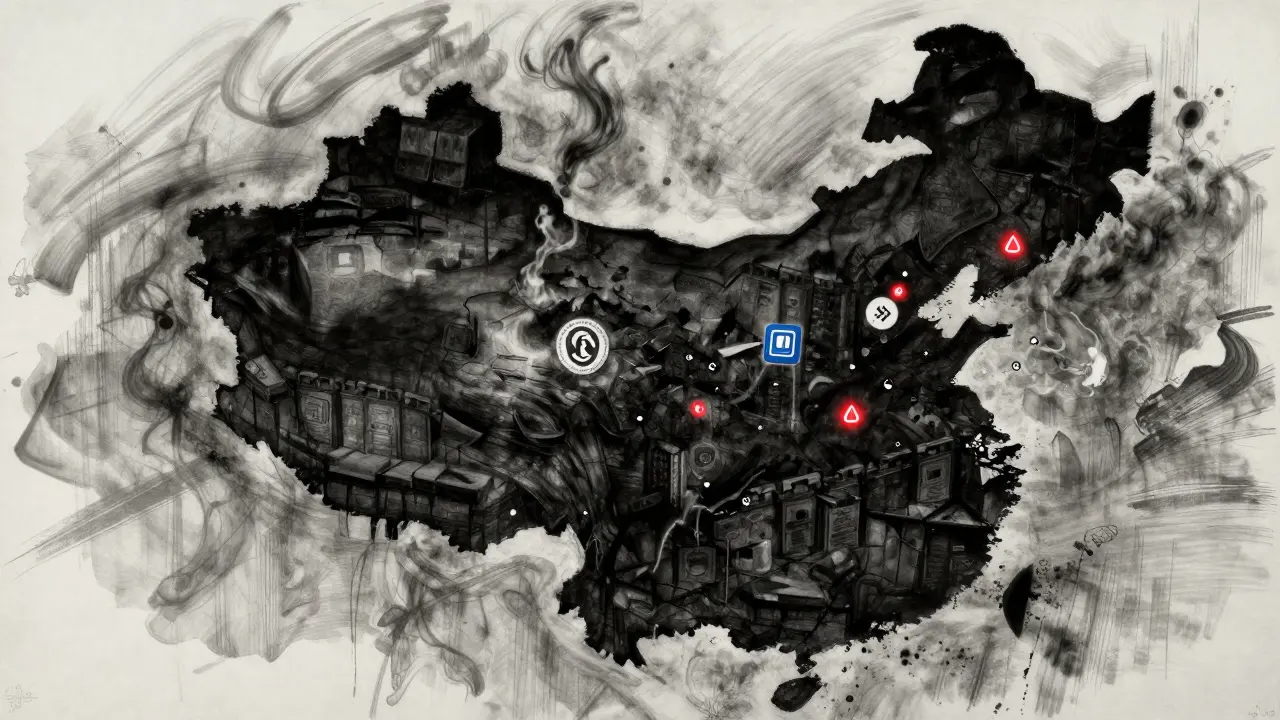
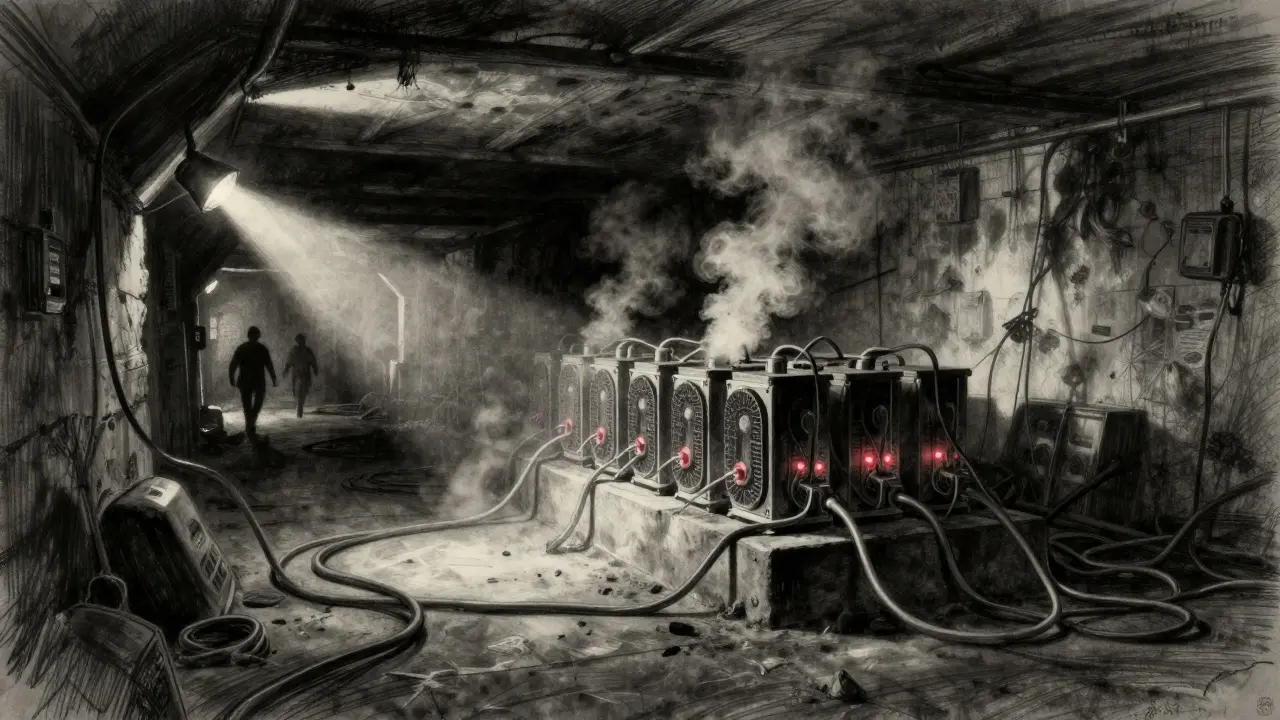
When you hear China crypto ban, a sweeping government prohibition on all cryptocurrency activities, including trading, mining, and holding digital assets. Also known as China’s crypto crackdown, it’s not just a policy — it’s a full-scale rejection of decentralized finance in favor of state-controlled digital currency. Since 2021, China has shut down mining farms, blocked access to exchanges, and fined individuals for using Bitcoin or Ethereum. By 2025, the ban became total: no crypto wallets, no OTC trades, no mining rigs — even holding crypto in foreign exchanges is technically illegal under Chinese law.
This ban didn’t happen in a vacuum. It’s directly tied to the rise of the digital yuan, China’s central bank digital currency (CBDC) designed to replace cash and monitor every transaction. Also called e-CNY, the digital yuan gives the government full control over money flow — something Bitcoin and Ethereum can’t offer. Where crypto offers anonymity and decentralization, the digital yuan delivers surveillance and compliance. That’s why China invests billions in blockchain tech — but only for permissioned, state-run systems like supply chain ledgers and public service records. The crypto mining China, once the world’s largest, now exists only in shadow operations or overseas. Miners fled to Kazakhstan, the U.S., and Nigeria, taking their hardware and energy demands with them.
The impact? Global crypto markets shifted overnight. Exchanges like Binance and OKX moved their headquarters out of China. DeFi protocols stopped serving Chinese IP addresses. Even meme coins like BABYOKX and BABYDENG — which thrived on speculative hype — saw zero traction inside China’s borders. Meanwhile, the digital yuan rolled out to over 260 million users, integrated into apps like WeChat and Alipay, and used for everything from subway fares to government subsidies. The ban didn’t kill crypto — it just forced it underground and overseas. Today, Chinese traders still access crypto through P2P platforms, offshore wallets, and encrypted apps — but they do it at risk. Fines can reach millions of yuan. Jail time is possible. And the government’s AI-powered surveillance tools track blockchain activity even across borders.
What you’ll find below isn’t just news. It’s a collection of real cases, reviews, and breakdowns that show how the China crypto ban changed everything: from how exchanges operate to how stablecoins like AUSD and USDZ are designed for institutions that avoid risky jurisdictions. You’ll see how DeFi lending protocols and DEXs like SaucerSwap and CrescentSwap evolved without Chinese users. You’ll learn why crypto mixers like Tornado Cash became more important than ever — and why projects like Zenqira and Hypr have no chance in a market where China’s rules still set the tone.