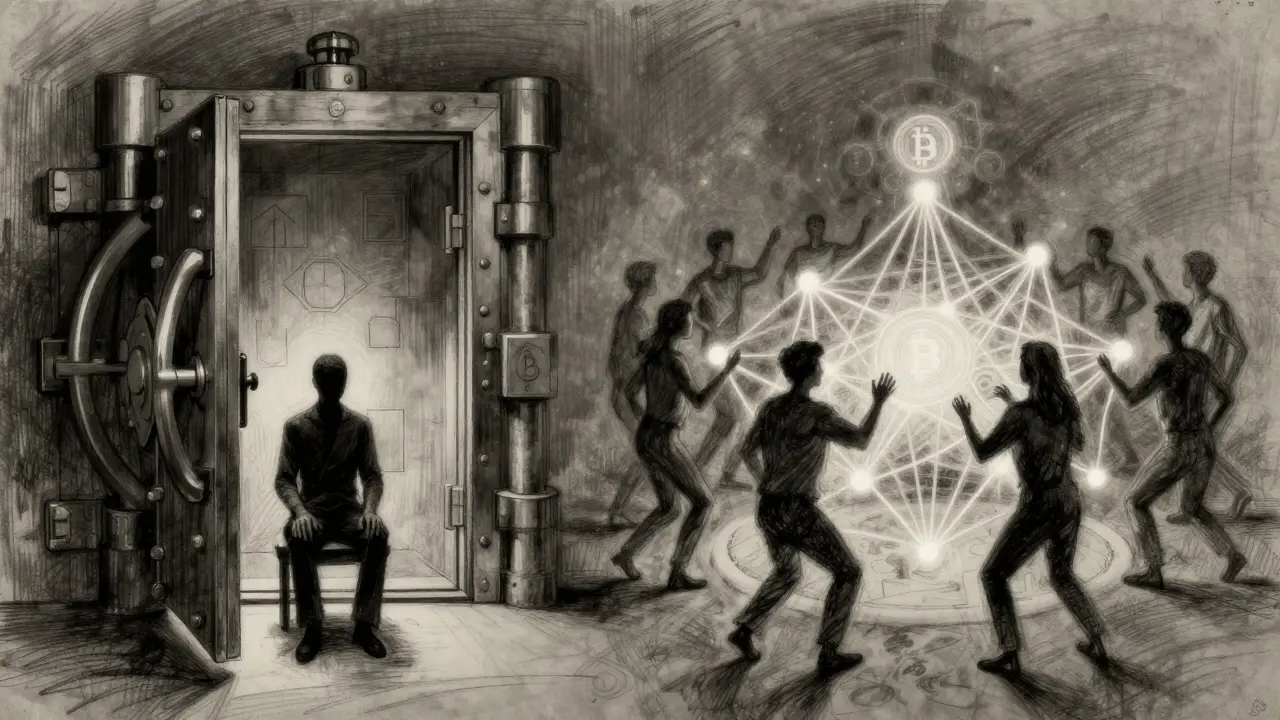
Most crypto airdrops feel like a lottery. You hold a token, you wait, and maybe-just maybe-you get a few dollars worth of new coins. But Scaleswap is trying to change that dynamic completely. Instead of giving tokens to anyone who happens to be holding them at a specific second, Scaleswap uses a loyalty-based system called ScaleSCORE. This means your rewards depend on how active you are in the ecosystem, not just how much money you parked in a wallet.
If you are looking to participate in Scaleswap's decentralized IDO launchpad, understanding this mechanism is crucial. It’s not about getting rich quick from a single snapshot; it’s about building long-term value through engagement. Here is everything you need to know about how the SCA token works, how the scoring system determines your airdrop share, and why this platform matters in the current Layer 2 landscape.
What Is Scaleswap and Why Does It Matter?
Scaleswap is a fully decentralized Initial DEX Offering (IDO) launchpad built primarily on Layer 2 scaling solutions. Unlike older launchpads that operated directly on Ethereum mainnet with high gas fees, Scaleswap leverages networks like Polygon to keep transaction costs low and speeds high. This makes fundraising accessible for smaller projects and participation affordable for retail users.
The platform was co-founded by Stanislav Stolberg, an expert in information security. This background is significant because security is often the weakest link in DeFi platforms. By prioritizing robust smart contract audits and secure architecture from day one, Scaleswap aims to protect user funds during the volatile early stages of token launches.
The native utility token, $SCA, powers the entire ecosystem. You use SCA to pay for services, vote in governance decisions, and most importantly, qualify for airdrops. The token also features a burn mechanism. When fees are paid in SCA, those tokens are destroyed, reducing supply over time and potentially increasing scarcity.
Understanding the ScaleSCORE System
This is the core differentiator. Most platforms distribute airdrops based on simple token holdings. If you hold 100 SCA, you get X amount of airdropped tokens. Scaleswap rejects this passive model. Instead, it uses the ScaleSCORE algorithm.
ScaleSCORE measures your loyalty and activity. It looks at factors like:
- How long you have held SCA tokens.
- Your participation in previous IDOs on the platform.
- Engagement with community governance votes.
- Interaction with partner protocols.
When a partner project decides to run an airdrop through Scaleswap, they don't just dump tokens on everyone. They target users with high ScaleSCORE ratings. This ensures that the people receiving free tokens are actual supporters of the ecosystem, not bots or speculators who bought tokens five minutes before the distribution.
For you, this means "farming" airdrops requires work. You can’t just buy and forget. You need to engage. Check your dashboard regularly, vote on proposals, and participate in ongoing campaigns to boost your score. A higher score equals a larger slice of the airdrop pie.
How Scaleswap Facilitates Partner Airdrops
It is important to clarify a common misconception: Scaleswap itself rarely conducts its own massive token giveaways. Instead, it acts as a facilitator for other projects. Think of it as a marketplace where new crypto projects come to find their first loyal users.
Projects choose Scaleswap because it offers access to a verified, engaged community. For example, Scaleswap partnered with WISeKey International Holding Ltd to launch WISe.Art, an NFT platform. Through this partnership, Scaleswap users could gain exposure to WISeKey’s TrusteCoin (TEC DAO Token). These distributions were weighted by ScaleSCORE, rewarding active participants with governance rights and utility tokens for the new platform.
This model benefits everyone. Projects get real users, not fake wallets. Users get early access to promising tokens before they hit major exchanges. And the platform earns revenue through listing fees and service charges, which helps sustain the ecosystem.
| Feature | Traditional Launchpads | Scaleswap (SCA) |
|---|---|---|
| Distribution Basis | Token Balance Snapshot | ScaleSCORE (Activity + Loyalty) |
| User Targeting | Broad, unverified holders | Engaged, loyal community members |
| Network Focus | Ethereum Mainnet (High Fees) | Polygon/Layer 2 (Low Fees) |
| Token Utility | Entry ticket only | Fees, Governance, Burning Mechanism |

Technical Infrastructure: The Polygon Advantage
Scaleswap’s choice to build on Polygon is strategic. In late 2021, Polygon surpassed Ethereum in daily active users, proving that Layer 2 solutions are viable for mass adoption. By integrating with Polygon, Scaleswap ensures that participating in IDOs or claiming airdrops doesn't cost you $50 in gas fees.
This efficiency attracts more projects. Developers want to launch on chains where users won't be priced out by transaction costs. As more projects join Polygon, they naturally look for trusted launchpads like Scaleswap to handle their initial distribution. This creates a network effect: more projects mean more airdrop opportunities, which attracts more users, which boosts the value of the SCA token.
Security and Risk Management
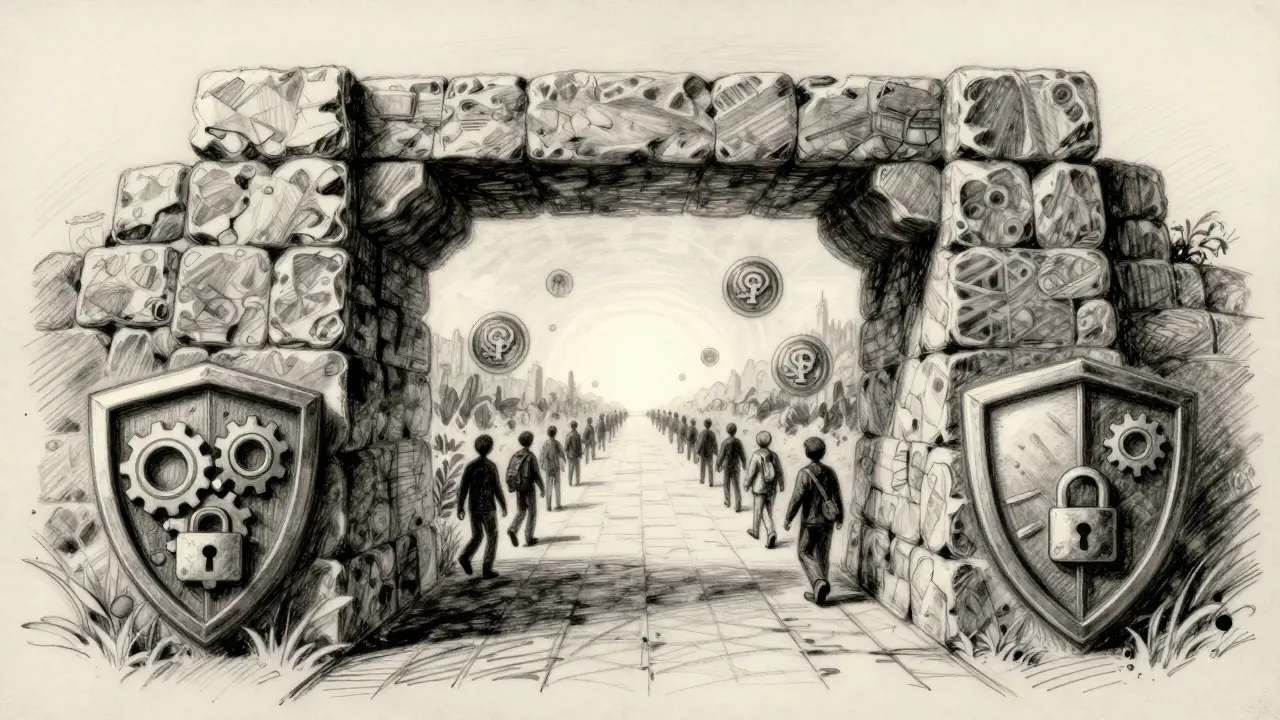
DeFi is wild west territory. Smart contract bugs, rug pulls, and market volatility are real risks. Scaleswap addresses these concerns through several layers of defense:
- Expert Leadership: With co-founder Stanislav Stolberg’s background in infosec, security isn't an afterthought; it's foundational.
- DAO Governance: Decisions are made transparently by the community, reducing the risk of centralized mismanagement.
- Audits: Regular third-party audits of smart contracts help identify vulnerabilities before they can be exploited.
However, no platform is immune to risk. Always do your own due diligence. Never invest more than you can afford to lose, and ensure you are interacting with the official Scaleswap website to avoid phishing scams. Fake airdrop sites are rampant in the crypto space.
How to Maximize Your Airdrop Potential
If you want to benefit from future Scaleswap-partnered airdrops, here is your action plan:
- Hold SCA Tokens: This is the baseline requirement. Without SCA, you cannot participate.
- Boost Your ScaleSCORE: Don't just hold. Vote in DAO proposals, provide liquidity if possible, and engage with the community channels.
- Monitor Announcements: Follow Scaleswap’s official social media and blog. New partner projects are announced there first.
- Stay Active: Log in regularly. Consistency matters more than sporadic bursts of activity.
Remember, the goal is to be seen as a valuable member of the ecosystem. Projects launching on Scaleswap want users who will stay and use their product, not just flip tokens for a quick profit. Act like a long-term supporter, and the rewards will follow.
The Broader Airdrop Landscape in 2026
Airdrops remain one of the most effective marketing tools in crypto. Major players like Jupiter distributed billions of JUP tokens to swap users and stakers. Optimism has continued its multi-season airdrop program, distributing millions of OP tokens to early users. Even MetaMask and zkSync have hinted at or executed large-scale distributions.
Scaleswap fits into this trend but carves out a niche. While others give away tokens to broaden their user base quickly, Scaleswap gives them to deepen loyalty among existing users. This approach may yield fewer immediate headlines, but it builds a stronger, more sustainable community foundation.
Is there a dedicated SCA token airdrop?
Currently, Scaleswap does not conduct its own massive token airdrops for the SCA token. Instead, it facilitates airdrops for partner projects. Holders of SCA receive these partner tokens based on their ScaleSCORE rating. To get SCA initially, you typically need to purchase it on supported exchanges or earn it through early platform incentives.
How does ScaleSCORE affect my airdrop allocation?
ScaleSCORE is a weighting mechanism. A higher score means a larger percentage of the available airdrop pool goes to you. It rewards longevity and activity. If two users hold the same amount of SCA, but one has voted in every DAO proposal and participated in multiple IDOs, that user will likely receive more airdropped tokens due to their higher ScaleSCORE.
Which blockchain networks does Scaleswap support?
Scaleswap primarily operates on Layer 2 solutions, with a strong focus on the Polygon network. This allows for faster transactions and significantly lower gas fees compared to Ethereum mainnet. This infrastructure choice makes it accessible for users with smaller capital to participate in IDOs and claim rewards.
Is Scaleswap safe to use?
Scaleswap prioritizes security with leadership experienced in information security and regular smart contract audits. However, all DeFi platforms carry inherent risks, including smart contract vulnerabilities and market volatility. Always verify URLs to avoid phishing sites and never connect your primary wallet containing life savings to any dApp.
What happened with the WISeKey partnership?
Scaleswap partnered with Nasdaq-listed WISeKey International Holding Ltd to launch WISe.Art, an NFT platform. This collaboration allowed Scaleswap users to access WISeKey’s TrusteCoin (TEC DAO Token) through the ScaleSCORE-weighted distribution system. It demonstrated Scaleswap's ability to facilitate complex token distributions for enterprise-level partners.