Blockchain Gaming Crypto: What It Is and Why It Matters
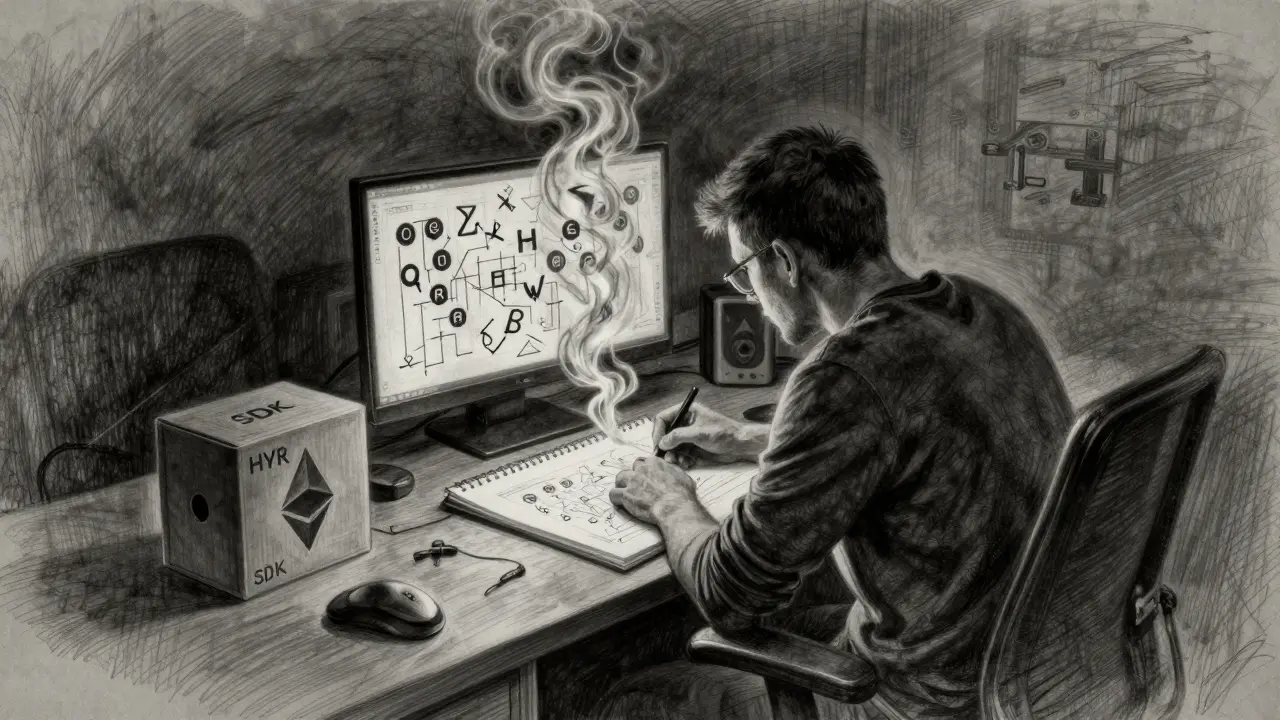
When you hear blockchain gaming crypto, a fusion of video games and blockchain technology that lets players truly own in-game assets. Also known as crypto gaming, it turns skins, weapons, and characters into digital assets you can trade, sell, or move between games—unlike traditional games where everything disappears when you stop playing. This isn’t just about flashy graphics or hype. It’s about shifting power from game companies to players.
At its core, blockchain gaming crypto relies on NFTs, unique digital tokens that prove ownership of in-game items. Also known as non-fungible tokens, they’re stored on public ledgers like Ethereum or Solana, so no developer can delete or alter them without your permission. Then there’s play-to-earn, a model where players earn crypto tokens by playing, completing tasks, or winning matches. Also known as P2E, this turns hours spent grinding into real income—something traditional games never allowed. But not all play-to-earn games are built the same. Some are designed to reward skill and time. Others? They’re just crypto schemes dressed up as games, with no real economy behind them—like the zero-volume tokens you’ll see listed below.
Decentralized gaming isn’t just about making money. It’s about control. You can sell your sword on an open market instead of being locked into one game’s store. You can lend your NFT dragon to a friend and get paid in crypto. You can even build your own mini-game within a bigger world using smart contracts. But this freedom comes with risks. Many projects vanish after a few months. Tokens crash. Wallets get drained. That’s why knowing the difference between real innovation and empty hype matters more than ever.
The posts below cut through the noise. You’ll find deep dives into real crypto gaming projects, scams disguised as airdrops, and the hidden mechanics behind tokens that promise the moon but deliver nothing. Whether you’re curious about earning while playing, worried about losing money on fake NFTs, or trying to understand how blockchain actually changes gaming—this collection gives you the facts, not the fluff.