
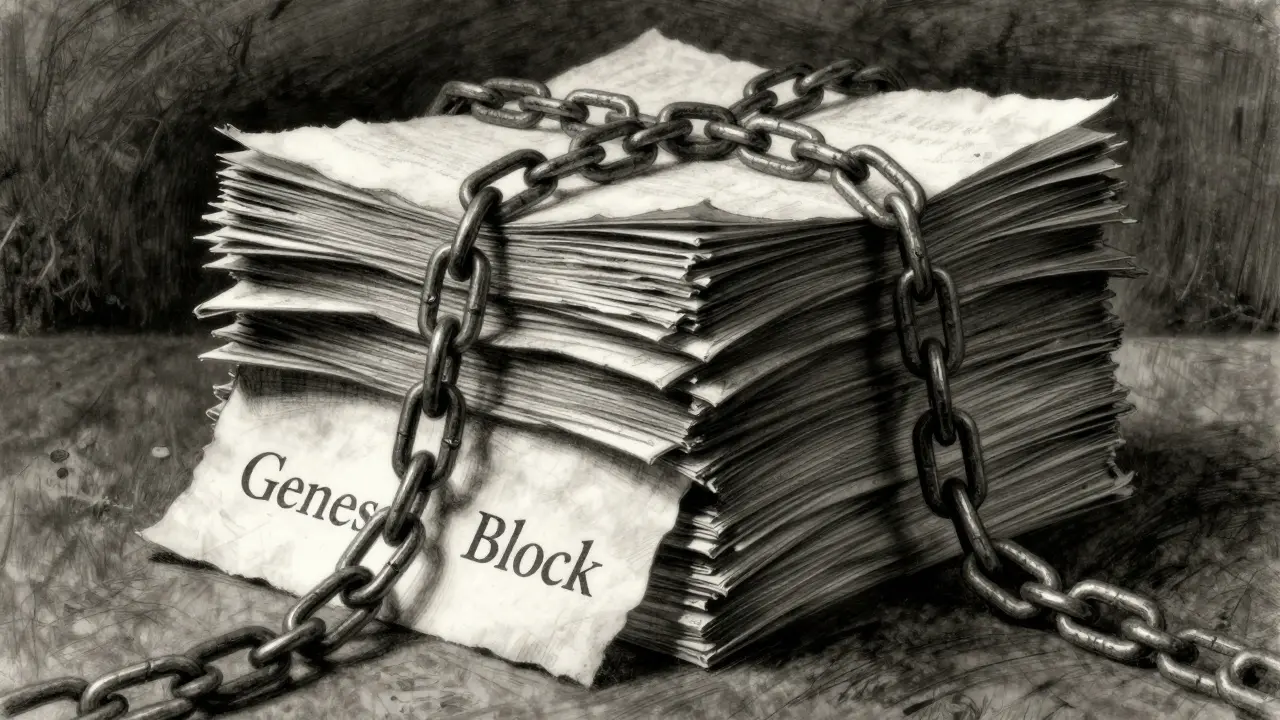
Think of a blockchain as a digital ledger, but instead of a continuous scroll, it's more like a stack of pages. Each page is a block. If you change a single comma on page five, the rest of the book suddenly doesn't make sense. That's the magic of block structure in cryptocurrency networks-it's not just about storing data; it's about making that data impossible to fake without everyone noticing immediately.
Whether you're using Bitcoin or Ethereum, the way a block is built determines how secure the network is and how fast transactions move. If you've ever wondered what's actually inside one of these digital containers, you're looking at a precise mix of metadata and transaction logs that keep the entire system honest.
The Anatomy of a Block
Every block is split into two main parts: the block header is the "ID card" of the block, and the body contains the actual list of transactions. While the body is where the action happens, the header is what actually secures the network.
The header is a lean, 80-byte field. It doesn't store the transactions themselves, but rather a summary and a set of directions. It contains six critical pieces of information:
- Version: A 4-byte field that tells the network which version of the software the block is using.
- Previous Block Hash: This is the glue. It's a 32-byte hash of the header from the block right before this one. This creates the "chain" in blockchain.
- Merkle Root: A single hash that summarizes every single transaction in the block. If one transaction is altered, this root changes completely.
- Timestamp: A 4-byte record of exactly when the block was created.
- Difficulty Bits: This tells miners how hard it is to find the valid hash for this block.
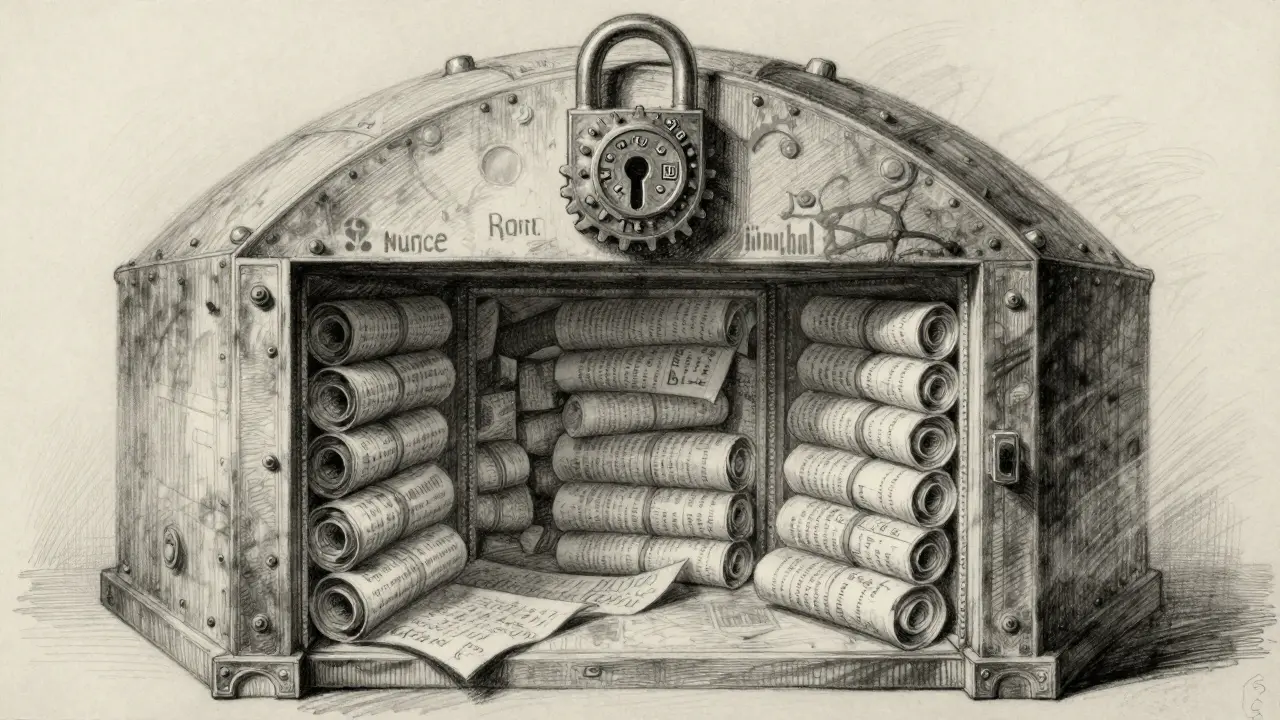
- Nonce: A "number used once." This is the variable miners change over and over again to solve the mathematical puzzle required to add the block to the chain.
Beyond the header, there are a few housekeeping elements. For instance, Bitcoin blocks use a "magic number" (0xD9B4BEF9) to let other nodes know that the data they are receiving is indeed a Bitcoin block and not random noise.
The Engine Room: Transaction Data
If the header is the envelope, the transaction data is the letter inside. The majority of a block's size is taken up by these records. But not all transactions are created equal. The very first transaction in every block is the coinbase transaction. This isn't a payment between users; it's the reward payment to the miner who successfully solved the block. It's how new coins enter the ecosystem.
After the coinbase transaction, you'll find the standard user transfers. Each of these contains the sender's address, the receiver's address, the amount of currency, and a digital signature. To keep things organized and secure, the network uses a Merkle tree. Instead of listing transactions linearly, they are hashed in pairs, then those hashes are hashed again, and so on, until only one hash-the root-remains. This allows a node to verify a transaction exists without needing to download the entire block.
| Feature | Block Header | Block Body (Data) |
|---|---|---|
| Primary Purpose | Identification & Linking | Recording Value Transfer |
| Size | Fixed (80 bytes in Bitcoin) | Variable (Up to 1MB in Bitcoin) |
| Key Components | Nonce, Prev Hash, Merkle Root | Coinbase Tx, User Transactions |
| Verification Role | Validates the entire chain | Validates individual payments |
How Blocks Are Actually Created
Adding a block isn't as simple as hitting "Save." It requires a network-wide agreement, known as consensus. In networks using Proof of Work (PoW), like Bitcoin, miners compete to find a specific nonce value. They hash the block header repeatedly with different nonces until the resulting hash is lower than the target difficulty set by the network.
This is where mining pools come into play. Because the odds of a single computer finding the correct nonce are astronomical, miners group their computing power together. They share the workload and split the coinbase reward proportionally. Once a miner finds the solution, they broadcast the block to all other nodes. These nodes quickly check the Merkle root and the previous hash to make sure everything is legit before adding it to their own copy of the ledger.
Some newer networks use Proof of Stake (PoS), where validators are chosen based on how many coins they hold, rather than how much electricity they burn. While the consensus method changes, the basic need for a structured block-linking the new data to the old-remains the same.
The Battle Against Bloat: Block Size and SegWit
One of the biggest headaches in blockchain design is the block size limit. In Bitcoin, the limit was historically 1 megabyte. If blocks are too big, only people with massive hard drives and super-fast internet can run nodes, which makes the network centralized. If they're too small, the network gets congested, and transaction fees skyrocket.
To solve this without just increasing the size limit, Bitcoin introduced Segregated Witness (SegWit). Essentially, SegWit "segregates" the witness data (the digital signatures) from the main transaction data. By moving this bulky signature data to a separate part of the block, the network can fit more actual transactions into that 1 MB limit without changing the core block size.
Why This Structure Matters for Security
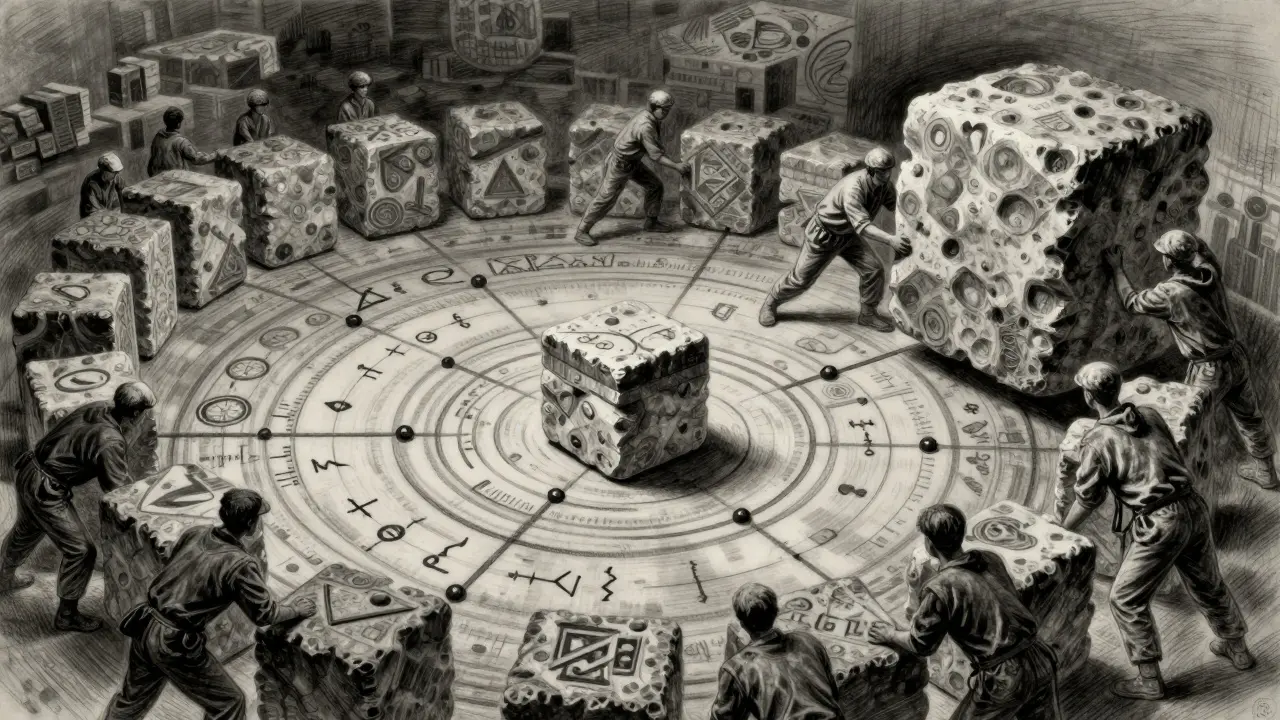
The linear, linked nature of blocks prevents the "double-spending" problem. Since every block references the hash of the one before it, you can't go back to Block 10 and change a transaction if you are currently on Block 500. To do that, you'd have to re-mine Block 10, and then every subsequent block, because the hashes would no longer match. This is computationally impossible for any single entity to achieve.
This chain starts with the genesis block, or Block 0. Every single piece of data in the current state of the blockchain can be traced back to this first block. This creates a transparent, immutable record that doesn't need a bank or a government to verify who owns what.
What happens if a block is tampered with?
If a single character in a transaction is changed, the Merkle root of that block changes. Because the block header contains that Merkle root, the header's own hash changes. Since the next block in the chain relies on the previous block's hash, the link is broken. The rest of the network will see that the hashes don't match and will immediately reject the tampered block.
Why is the nonce so important in mining?
The nonce is the only part of the block header that a miner can change. Since the other data (like the previous hash and timestamp) is mostly fixed, the nonce is the "key" miners twist to change the output of the hashing function. They keep guessing different nonce values until the resulting hash meets the network's difficulty target.
Does every cryptocurrency use the same block structure?
While the specific byte sizes and field names might vary, the core logic is very similar. Most use a header for metadata and a body for transactions, and almost all rely on some form of cryptographic hashing to link blocks together to ensure immutability.
What is a coinbase transaction?
The coinbase transaction is the very first transaction in a block. It is a special entry that allows the miner who solved the block to claim the block reward (newly created coins) and any transaction fees paid by users in that block.
How does a Merkle tree speed up verification?
Instead of checking every transaction in a block to see if one specific payment is valid, a node can just check the "branch" of the Merkle tree that leads to that transaction. This significantly reduces the amount of data needed to prove a transaction is included in a block.
Next Steps for Learning
If you're starting to wrap your head around block structures, you might want to explore how different consensus algorithms like Proof of Stake change the way blocks are validated. Alternatively, looking into "Layer 2" solutions like the Lightning Network will show you how developers are moving transactions off-chain to avoid the block size limitations discussed here. If you're a developer, trying to implement a simple blockchain in Python or JavaScript is the best way to see how these hashes and headers actually interact in real-time.
the merkle root is basically the unsung hero here... allows light clients to verify stuff without downloading the whole chain which is a lifesaver for mobile wallets
While the explanation of the nonce is acceptable for a layman, it fails to emphasize that the target difficulty is dynamically adjusted every 2016 blocks in Bitcoin. Precise understanding of the difficulty adjustment algorithm is paramount if one actually intends to comprehend network stability. Most people just glaze over the math, but that is where the actual engineering resides.
merkle trees are such a cool way to handle data efficiently no wonder they are used everywhere in crypto
It's fascinating how we obsess over the digital architecture of a ledger while ignoring the spiritual void created by such sterile, mathematical trust. We've replaced human faith with a hash function, yet we wonder why we feel so disconnected from our fellow man in this brave new world of decentralization.
oh wow a digital ledger that doesnt let you lie... what a shocking concept for the modern age
great breakdown of the header basics! for anyone stuck on segwit just remember it's all about optimizing that space to keep fees lower for everyone
I really like how this is explained. It makes the scary technical stuff feel a lot more friendly for people who aren't tech geniuses.
definitly a good read... love how you explained the genesis block part it's kinda poetic if you think about it
It is worth noting that the 80-byte header is specific to Bitcoin. Other protocols, particularly those employing Proof of Stake, have significantly different header structures to accommodate validator signatures and epoch data, which alters the verification latency slightly.
imagine thinking a 1MB block limit is a "headache" in 2024. adorable.
The synergy between the Merkle Root and the SHA-256 hashing algorithm is simply divine!!! It creates such a robust Byzantine Fault Tolerance environment... truly a masterpiece of cryptographic engineering!!!
The obsession with immutability is just a projection of our collective fear of accountability. We build these rigid digital cages because we can't trust ourselves to be honest without a machine forcing us to be. It's a depressing reflection of human nature, wrapped in the guise of financial innovation.
I completely agree with the point about SegWit!! It was a brilliant compromise to prevent the chain from becoming too bloated for the average user!!
The whole concept of a "magic number" is just a quaint little digital handshake. Hardly seems necessary in an era of sophisticated packet inspection, but I suppose it keeps the peasants happy.
The transition from PoW to PoS is more than a technical shift; it's a shift in the philosophy of value and energy. We are moving from a physical cost to a capital cost.
This is a very helpful guide for beginners.
Adding to the SegWit point, the separation of the witness data also paved the way for Lightning Network channels!! Without that structural change, state channels would be nearly impossible to implement efficiently!!
man i love the idea of the genesis block... its like the big bang but for money... tho i wonder if the hash colissions in larger blocks might cause some weird async issues with propagation delays in high latency nodes... probably negligible but still