
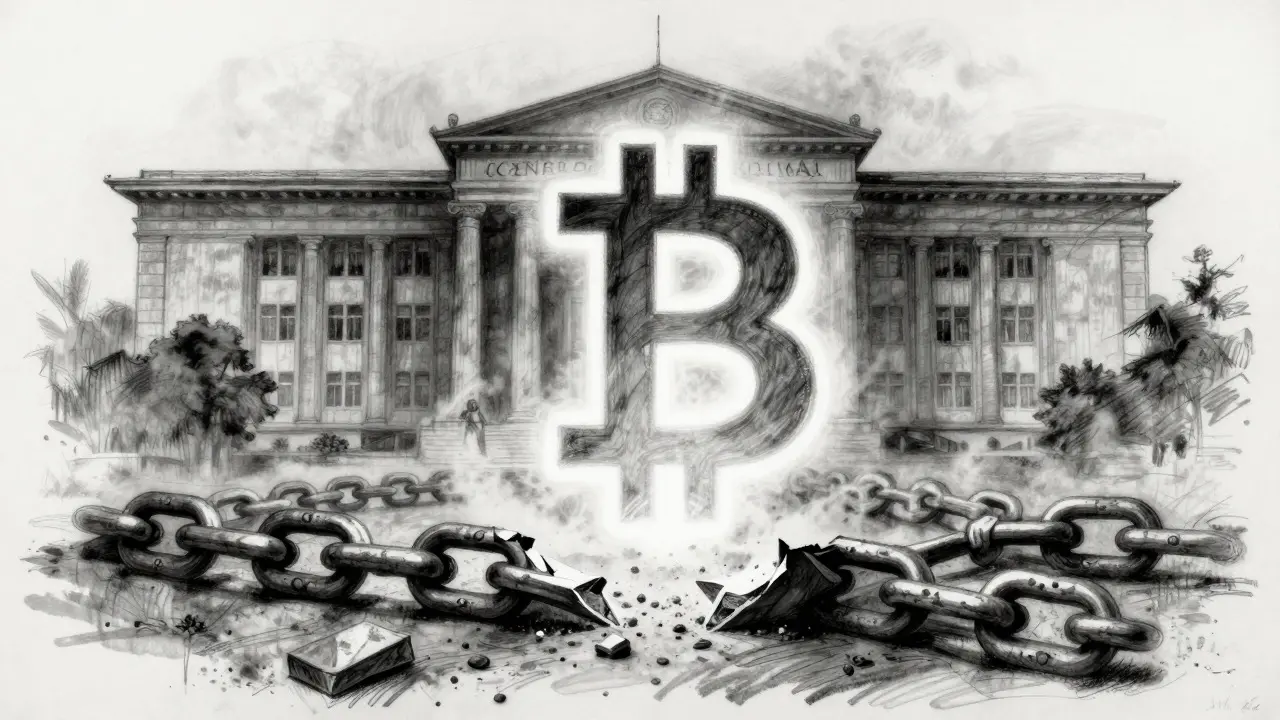
For over a decade, if you tried to buy or sell Bitcoin in Bolivia, you were technically breaking the law. The Central Bank of Bolivia (BCB) had slapped a strict prohibition on all cryptocurrency activities, labeling them a threat to national financial stability. But that chapter closed abruptly on June 26, 2024. With the signing of Resolution No. 82/2024, Bolivia didn't just lift the ban; it opened the floodgates for a digital asset revolution that has since transformed the country’s financial landscape.
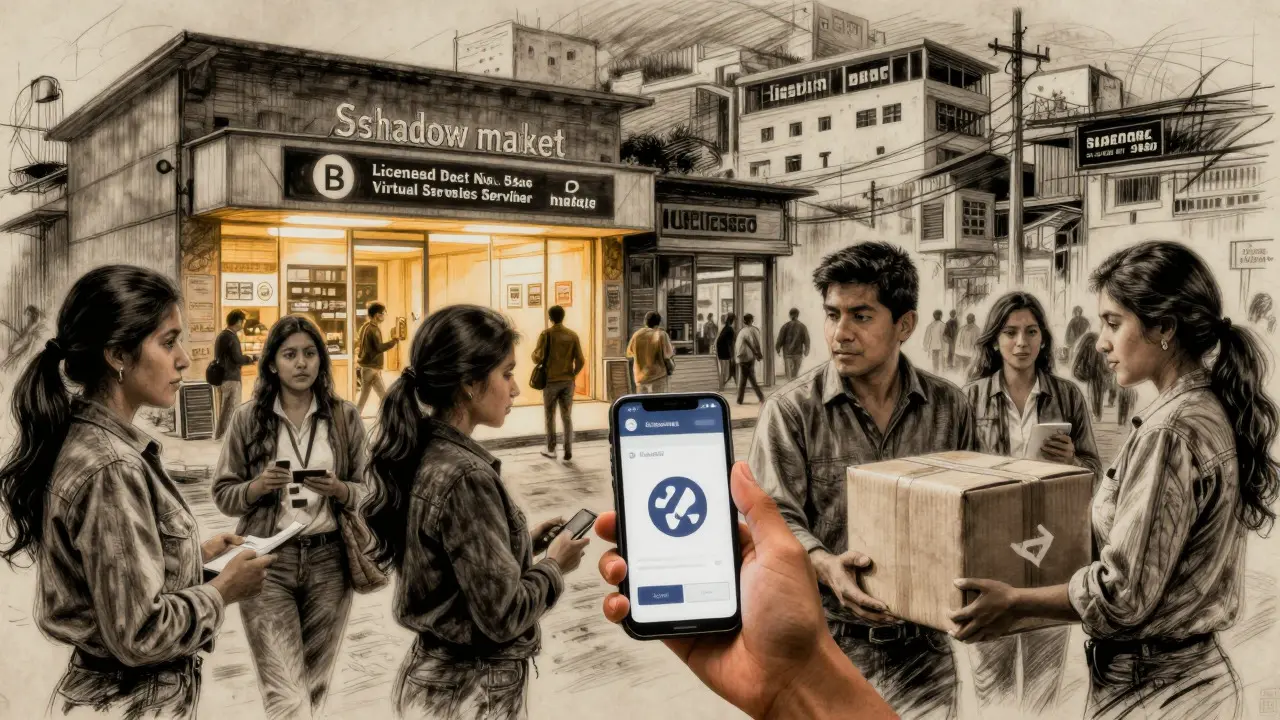
If you are looking at Bolivia today, in mid-2026, you won't find a shadow market operating in fear. Instead, you see a regulated ecosystem where virtual assets are recognized, licensed, and actively used by millions. This shift from total prohibition to active adoption is one of the most dramatic policy reversals in Latin American history. Let's break down how this happened, what the new rules mean for users, and why this matters for the broader crypto world.
The End of the Prohibition Era
To understand the speed of Bolivia's recent adoption, you have to look back at the restrictions. Since May 6, 2014, the BCB enforced a comprehensive ban on cryptocurrencies. They reaffirmed this stance with Resolution N° 144/2020 in December 2020. For nearly ten years, Bolivians who wanted to use crypto had to rely on peer-to-peer (P2P) networks or offshore exchanges, often navigating legal gray areas.
The turning point came with Resolution No. 82/2024. Enacted on June 26, 2024, this resolution officially lifted the ban. It wasn't just about allowing transactions; it was a signal that the government recognized the inevitability of digital assets. By removing the prohibition, the state acknowledged that trying to stop the flow of information and technology was futile. Instead of fighting it, they decided to channel it.
This move aligned Bolivia with global trends toward regulatory clarity rather than isolation. While some nations doubled down on bans, Bolivia chose engagement. The immediate effect was the removal of legal uncertainty for businesses and consumers alike. Suddenly, holding a crypto wallet wasn't a risk-it was a legitimate financial activity.
Building the Regulatory Framework
Lifting a ban is easy; regulating a new industry is hard. Bolivia moved quickly to establish order. By April 16, 2025, the government implemented Resolution no. 019/2025. This was a crucial step because it formally recognized Virtual Asset Service Providers (VASPs). Before this, there was no clear definition of who could legally offer crypto services. Now, companies knew exactly what the requirements were.
The framework became even more robust in May 2025 with the enactment of Supreme Decree No. 5384. This decree established licensing obligations for crypto service providers. If you want to run an exchange or a custodial wallet in Bolivia, you need a license. This protects consumers by ensuring that operators meet certain standards of security and transparency.
| Date | Action | Impact |
|---|---|---|
| June 26, 2024 | Resolution No. 82/2024 | Lifted the complete cryptocurrency ban |
| April 16, 2025 | Resolution no. 019/2025 | Recognized VASPs and laid groundwork for fintech frameworks |
| May 2025 | Supreme Decree No. 5384 | Established licensing obligations for crypto service providers |
| March 2025 | BCB Adoption | Central Bank began using USD-pegged stablecoins for cross-border payments |
This structured approach prevents the "wild west" scenario seen in other emerging markets. By requiring licenses, the government can monitor transactions, prevent money laundering, and ensure that consumer funds are protected. It creates a level playing field where honest businesses thrive and scams are easier to root out.
Explosive Growth and User Adoption
When the ban lifted, the pent-up demand was immediate and massive. According to official figures from the Central Bank of Bolivia, virtual asset transactions reached $294 million in the first half of 2025 alone. That number represents a skyrocketing increase of more than 500% within just one year of legalization.
One standout example is Meru, a crypto wallet platform founded by Carlos Neira. After the ban was lifted, Meru experienced a staggering 6,600% increase in Bolivian users. Bloomberg reported this surge, highlighting how quickly citizens embraced accessible tools. Why such a huge jump? Because for years, people wanted to use crypto but couldn't do so safely or legally. Once the door opened, everyone rushed through.
Bolivians aren't just buying Bitcoin as a speculative investment. They are using crypto for practical reasons. In a country with currency volatility, USD-pegged stablecoins offer a way to preserve value. Remittances, which are a significant part of Bolivia's economy, become faster and cheaper when sent via blockchain instead of traditional banks. Users are pragmatically choosing tools based on utility: stablecoins for daily savings, Bitcoin for international transfers, and various platforms based on fees.
Institutional Adoption and International Cooperation
What makes Bolivia's case unique is not just retail adoption, but institutional involvement. In March 2025, the Central Bank of Bolivia itself began utilizing USD-pegged stablecoins for cross-border payments, remittances, and trading. This is a massive shift. The same institution that banned crypto in 2014 is now using it to manage national financial flows. It demonstrates that digital assets are being viewed as stores of value and efficient payment rails, not just risky speculation.
Bolivia also realized it didn't have to reinvent the wheel. They signed a Memorandum of Understanding (MoU) with El Salvador's National Commission for Digital Assets (CNAD). This partnership allows for unprecedented nation-to-nation knowledge transfer. Bolivia benefits from El Salvador's experience with Bitcoin as legal tender, while sharing insights on blockchain intelligence tools, data analytics, and risk analysis.
Edwin Rojas Ulo, Acting President of the BCB, emphasized that these changes are part of ongoing efforts to promote digital asset adoption within existing legal frameworks. The goal is to protect investors while preserving monetary stability. By learning from neighbors like El Salvador, Bolivia avoids common pitfalls and accelerates its regulatory maturity.
How Bolivia Compares to Its Neighbors
Bolivia's path differs sharply from other Latin American countries. El Salvador went all-in with Bitcoin as legal tender, a top-down approach that generated global attention. Bolivia took a more measured, diverse route. There is no mandate to accept Bitcoin for coffee. Instead, the focus is on creating a safe environment for voluntary adoption.
Contrast this with Algeria, which recently announced a sweeping ban on cryptocurrency activities, criminalizing all digital asset operations. While Algeria closed its doors, Bolivia opened theirs. This divergence highlights different economic philosophies. Bolivia sees crypto as a tool for financial inclusion and efficiency. Algeria sees it as a threat to control.
Even compared to regional peers, Bolivia's growth rate is notable. Chainalysis reports show rapid adoption across Latin America, but Bolivia's jump from zero to hundreds of millions in transaction volume in under two years is exceptional. It suggests that prohibition often creates underground demand, and legalization simply brings that demand into the open.

Challenges and Future Outlook
Despite the success, challenges remain. The rapid pace of regulatory development means some users worry about consumer protection. As the market matures, the need for stronger safeguards against scams becomes critical. The government has launched public awareness campaigns to educate citizens about risks, but literacy takes time.
Another challenge is infrastructure. While wallets like Meru have grown fast, the broader ecosystem needs more local service providers. Currently, many Bolivians still rely on international platforms. Developing local liquidity and support systems will be key for long-term sustainability.
Looking ahead, predictions suggest continued growth. The indefinite-term MoU with El Salvador provides ongoing technical support. Bolivian officials acknowledge that digital assets are increasingly significant in global transactions. The country is positioning itself as a regulated, secure environment that can attract global capital. If Bolivia maintains this trajectory, it could become a model for other nations facing similar economic pressures.
Practical Tips for Using Crypto in Bolivia
If you are in Bolivia or planning to send money there, here is what you need to know:
- Use Licensed Platforms: Look for VASPs that comply with Supreme Decree No. 5384. This ensures your funds are held by a regulated entity.
- Consider Stablecoins: For protecting savings against inflation, USD-pegged stablecoins like USDT or USDC are widely used and accepted by the Central Bank for cross-border settlements.
- Check Remittance Fees: Compare traditional remittance services with crypto options. Often, sending Bitcoin or stablecoins is significantly cheaper and faster, especially for large amounts.
- Stay Educated: Participate in public awareness campaigns offered by the BCB. Understanding private keys and security best practices is essential to avoid fraud.
The transition from prohibition to regulation has given Bolivians new financial tools. Whether you are a small business owner receiving payments from abroad or an individual saving for the future, crypto offers options that didn't exist five years ago. The key is to use these tools wisely, within the new legal framework.
Is cryptocurrency legal in Bolivia now?
Yes, cryptocurrency is fully legal in Bolivia. The complete ban was lifted on June 26, 2024, with Resolution No. 82/2024. Since then, the government has established a regulatory framework that recognizes virtual assets and licenses service providers.
When did Bolivia lift its crypto ban?
Bolivia lifted its cryptocurrency ban on June 26, 2024. This marked the end of a decade-long prohibition that started in 2014. Following this, new regulations were introduced in 2025 to formalize the industry.
What is the role of the Central Bank of Bolivia in crypto?
The Central Bank of Bolivia (BCB) has shifted from banning crypto to regulating and using it. In March 2025, the BCB began using USD-pegged stablecoins for cross-border payments. The bank also oversees the licensing of Virtual Asset Service Providers (VASPs) to ensure market safety.
How much has crypto usage grown in Bolivia?
Crypto usage in Bolivia has grown explosively. Transactions reached $294 million in the first half of 2025, representing a more than 500% increase within one year of lifting the ban. Some platforms, like Meru, saw user growth exceeding 6,000%.
Does Bolivia have partnerships with other countries for crypto regulation?
Yes, Bolivia signed a Memorandum of Understanding with El Salvador's National Commission for Digital Assets (CNAD). This partnership facilitates knowledge transfer on blockchain intelligence, risk analysis, and regulatory oversight, helping Bolivia build its own framework efficiently.