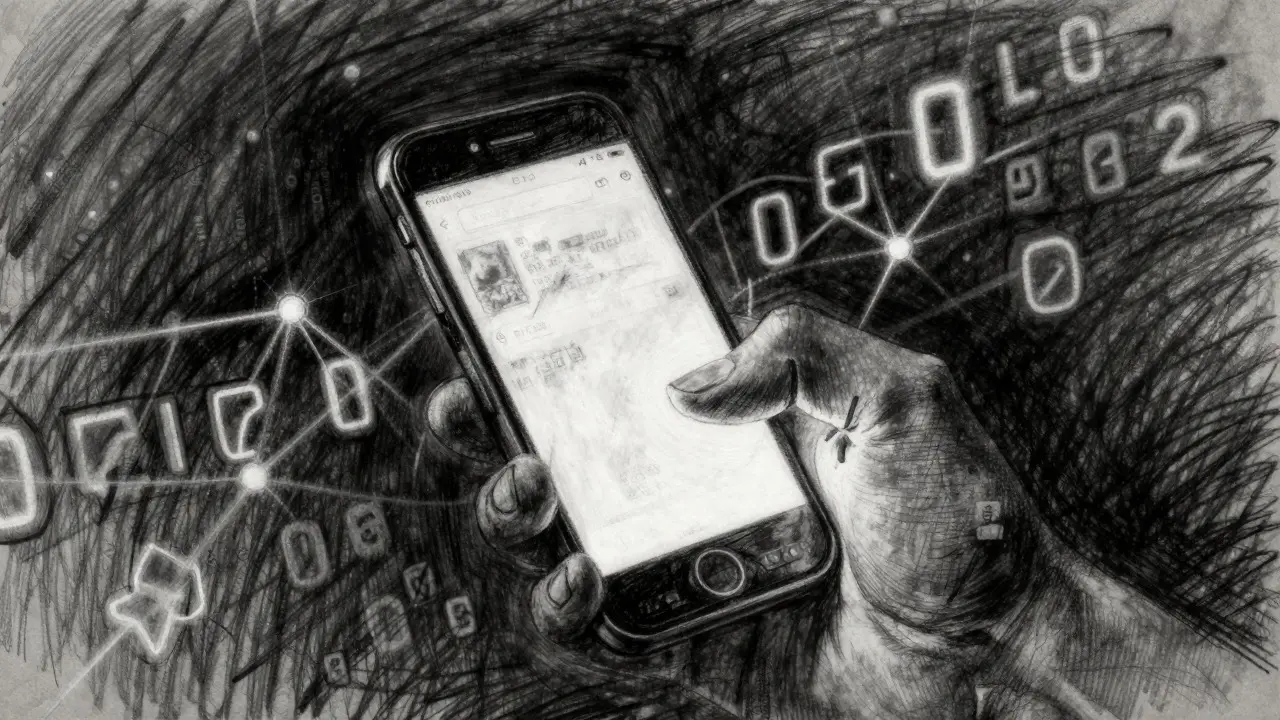
Imagine sending a payment to a wallet you thought was safe, only to find it frozen because it’s on the OFAC sanctions list is a comprehensive database maintained by the U.S. Department of Treasury's Office of Foreign Assets Control that tracks sanctioned individuals, entities, and specific cryptocurrency addresses. This isn't just theoretical; with over 1,200 crypto wallet addresses currently designated as of 2025, the risk for both individual users and businesses has never been higher. If you hold digital assets or run a business touching crypto, understanding how these sanctions work is no longer optional-it's survival.
The landscape changed dramatically in recent years. It used to be about blocking bank accounts. Now, it’s about freezing specific strings of alphanumeric characters on a blockchain. For many, this feels like science fiction, but for compliance officers and serious investors, it’s daily reality. Let’s break down exactly what is on the list, how they find your wallet, and what you need to do to stay out of trouble.
What Exactly Is on the OFAC Crypto List?
At its core, the Specially Designated Nationals (SDN) list is the primary enforcement tool used by OFAC to target foreign persons who pose a threat to U.S. national security, foreign policy, or economic interests. In the traditional world, this means companies and people. In the crypto world, it means wallet addresses.
As of mid-2026, the list covers 17 different cryptocurrency types. You aren't just looking at Bitcoin anymore. The scope includes:
- Bitcoin (XBT) and its forks like Bitcoin Cash (BCH) and Litecoin (LTC)
- Ethereum (ETH) and USD Coin (USDC)
- Privacy-focused coins like Monero (XMR) and ZCash (ZEC)
- Stablecoins like USD Tether (USDT), which are heavily targeted due to their use in cross-border evasion
Why so many? Because sanctioned entities don't stick to one coin. They diversify. A single bad actor might move funds from Ethereum to TRON to avoid detection. That’s why the list is multi-chain. If you’re holding USDT, you’re not just holding a stable value asset; you’re holding a potential liability if that address touches a sanctioned entity.
How Do They Find Your Wallet Address?
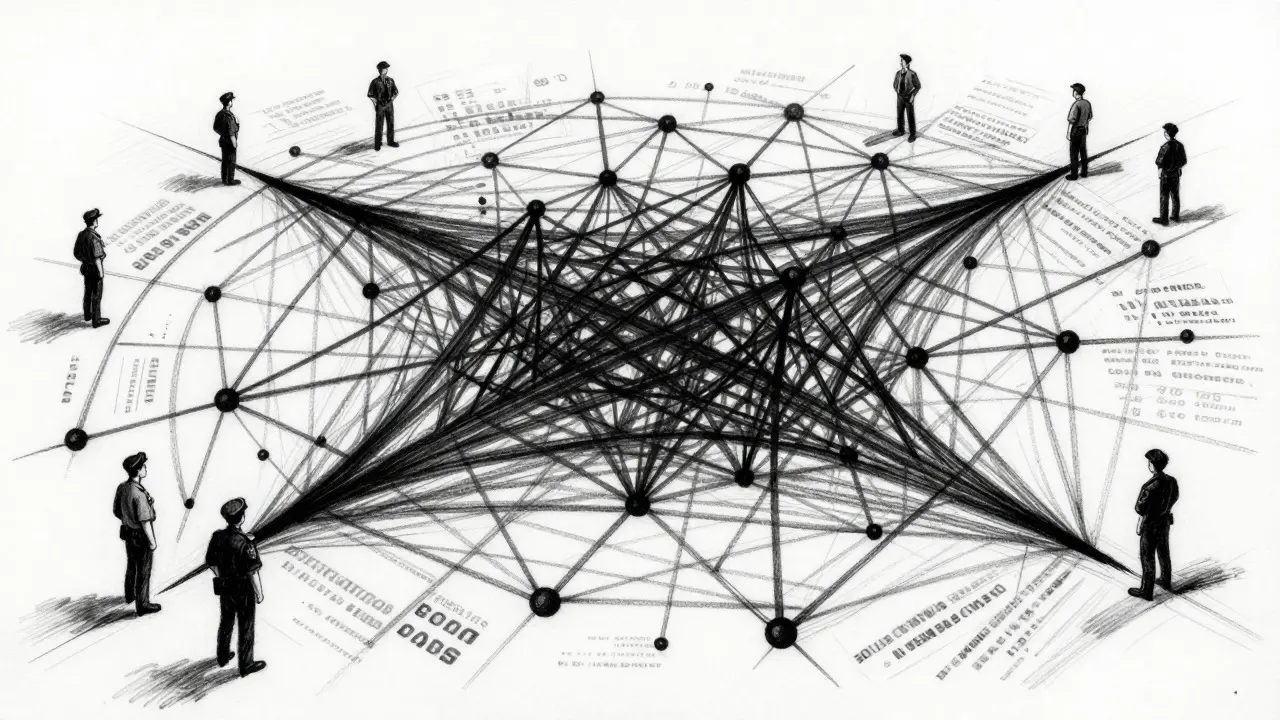
This is the question everyone asks. Blockchains are pseudonymous, right? Well, mostly. But "mostly" is doing a lot of heavy lifting here. The key lies in blockchain analysis is the process of tracing transactions across public ledgers to identify patterns, clusters, and connections between addresses.
Unlike cash, every transaction on a public blockchain is permanent and transparent. Law enforcement doesn't need to guess where money went; they can see the entire flow. Tools endorsed by OFAC, such as those used by major exchanges, can trace funds back through dozens of hops. If a sanctioned person sends Bitcoin to an exchange, buys Ethereum, swaps it for USDT, and sends it to a DeFi protocol, the trail remains.
In March 2025, OFAC endorsed three new wallet screening technologies specifically focused on Decentralized Finance (DeFi) platforms. This was a game-changer. Before, DeFi was a dark corner where sanctions were hard to enforce. Now, real-time monitoring is mandatory for US-based services. If you interact with a DeFi protocol connected to a sanctioned wallet, your assets could be flagged. The days of thinking "if I swap it enough times, I'm safe" are officially over.
The Real Cost: Case Studies in Sanctions Enforcement
Theory is fine, but let’s look at what happens when you get caught. The case of Garantex is a darknet market and crypto exchange frequently associated with ransomware payments and illicit trade, which faced significant legal action and asset seizures in 2025. In March 2025, a joint operation by the U.S. Secret Service, German, and Finnish law enforcement seized over $26 million in cryptocurrency controlled by Garantex. They didn’t just stop there. When Garantex tried to restart operations under a new name, Grinex, OFAC sanctioned the successor entity too. Executives Aleksandr Mira Serda and Aleksej Besciokov had indictments unsealed. The message was clear: renaming your app doesn’t erase your history.
Another stark example involves Iranian nationals Alireza Derakhshan and Arash Estaki Alivand, designated in September 2025. They processed over $100 million in proceeds from Iranian oil sales using Ethereum and TRON wallets. Total inflows to their wallets exceeded $600 million. These weren't small, hidden transfers. They were massive flows that required sophisticated laundering techniques. Yet, they were still caught. Why? Because the volume itself created a pattern that screening tools could detect.
Then there’s the nation-state angle. The Lazarus Group, linked to North Korea, moved $200 million in stolen assets via sanctioned DeFi protocols in Q1 2025. This shows that even state actors aren't immune. If a country’s elite can be tracked, your personal wallet is definitely within reach.
Compliance: What Businesses and Exchanges Must Do
If you run a crypto business, you know the pain. Compliance isn't a one-time setup; it's a continuous battle. Under the Crypto Compliance Guidance 2025, all US-based exchanges must implement real-time monitoring against the SDN list. Updates happen as frequently as every 15 minutes. Yes, fifteen minutes. That’s the industry standard now, driven by platforms like Scorechain that update their systems immediately after OFAC releases new data.
Here’s how the technical side works:
- Data Ingestion: Companies pull the official OFAC XML file (
sdn_advanced.xml). This file contains the raw data of all sanctioned entities and addresses. - Parsing and Normalization: The data is converted into formats usable by screening engines, often JSON or TXT files with one address per line.
- Real-Time Screening: Every incoming and outgoing transaction is checked against this list. If a match is found, the transaction is held or blocked.
- Risk Scoring: Not all matches are equal. Some addresses have high risk scores based on historical activity. These require deeper investigation.
The learning curve for setting this up is steep. It typically takes exchanges 3 to 6 months to build a comprehensive screening system. You need expertise in both blockchain analysis and regulatory compliance. It’s not just buying software; it’s hiring people who understand how a smart contract works and what a sanctions violation looks like in code.
| Feature | Traditional Banking | Cryptocurrency |
|---|---|---|
| Target | Institutions and Individuals | Specific Wallet Addresses |
| Transparency | Private (requires subpoena) | Public (immutable ledger) |
| Evasion Method | New Bank Accounts | New Wallets / Privacy Coins |
| Update Speed | Weekly/Monthly | Real-time (15 mins) |
| Global Reach | Limited by Jurisdiction | Borderless (requires international cooperation) |
Emerging Risks: AI Bots and Smart Contracts
We’re entering a weird new phase. In February 2025, OFAC sanctioned an AI-powered autonomous trading bot. This was the first time a piece of software was effectively treated as a sanctioned entity. Why? Because it was used by a sanctioned individual to launder $60 million. The bot executed trades faster than any human could, making manual review impossible. This signals that if your algorithm moves money for a bad guy, the algorithm is on the hook.
There’s also talk of holding smart contract developers liable. Proposed regulations from May 2025 suggest that if your code enables sanctions evasion, you could face penalties. This is huge for the DeFi space. Developers are no longer just writing code; they’re building regulatory infrastructure. If your protocol allows easy mixing of funds without KYC, you might be seen as facilitating evasion. The line between innovation and liability is getting blurrier.
Also, watch out for Layer 2 networks. The OFAC Blacklist v2.0, launched in May 2025, added support for Layer 2 monitoring. Many users think moving to Arbitrum or Optimism makes them invisible. Wrong. The bridges connecting L2s to L1 are monitored. Your funds are traceable, even if the transaction happened on a side chain.
How to Protect Yourself Today
You don’t need to be a bank to stay compliant. Here are practical steps for individuals and small businesses:
- Check Your Counterparties: Before sending large amounts, verify the recipient. Use free screening tools available online to check if an address is on the SDN list. It takes seconds.
- Avoid Privacy Coins for Large Transfers: Monero and ZCash make tracking harder, which makes them attractive to bad actors. Using them for legitimate business can raise red flags during audits.
- Keep Records: Maintain a log of your transactions. If you ever need to prove your innocence, having a paper trail of why you sent funds to a specific address is crucial.
- Stay Updated: Subscribe to OFAC press releases. New designations happen weekly. Knowing who was just sanctioned helps you spot suspicious activity early.
- Use Reputable Exchanges: Major exchanges already have robust screening. Moving funds through them adds a layer of safety compared to peer-to-peer transfers with unknown parties.
The bottom line is that anonymity in crypto is a myth. It’s pseudonymity, and regulators have the tools to peel back that layer. The cost of ignoring this is high-frozen assets, legal fees, and reputational damage. But staying informed keeps you in control.
Does OFAC sanction individual retail investors?
Rarely, unless they are directly involved in illicit activity. Most sanctions target entities, exchanges, or known bad actors. However, if you transact with a sanctioned party, your assets can be frozen pending investigation. So while you aren't the target, you are affected.
Can I use privacy coins like Monero safely?
It depends on context. For small, personal use, the risk is low. For large commercial transactions, privacy coins are a red flag for compliance teams. Since OFAC actively monitors XMR addresses, using them for business can trigger automatic alerts and manual reviews.
How often does the OFAC crypto list update?
The list updates frequently, sometimes multiple times a week. Compliance platforms aim to sync within 15 minutes of an official release. For individuals, checking monthly is a good habit, but businesses need real-time feeds.
What happens if my crypto is frozen by OFAC?
Your assets are held in escrow. You can apply for a license to use or transfer them, but it’s a lengthy legal process. Often, the freeze lasts until the underlying investigation concludes. It’s better to prevent the freeze than deal with the bureaucracy later.
Do stablecoins like USDT have special risks?
Yes. Because USDT is widely used for cross-border transfers, it’s a primary vector for sanctions evasion. Tether has been forced to freeze hundreds of millions in assets linked to sanctioned entities. Holding USDT is safe, but moving it through obscure channels increases your risk profile significantly.