
How the NFT Market Blew Up - and Then Crashed
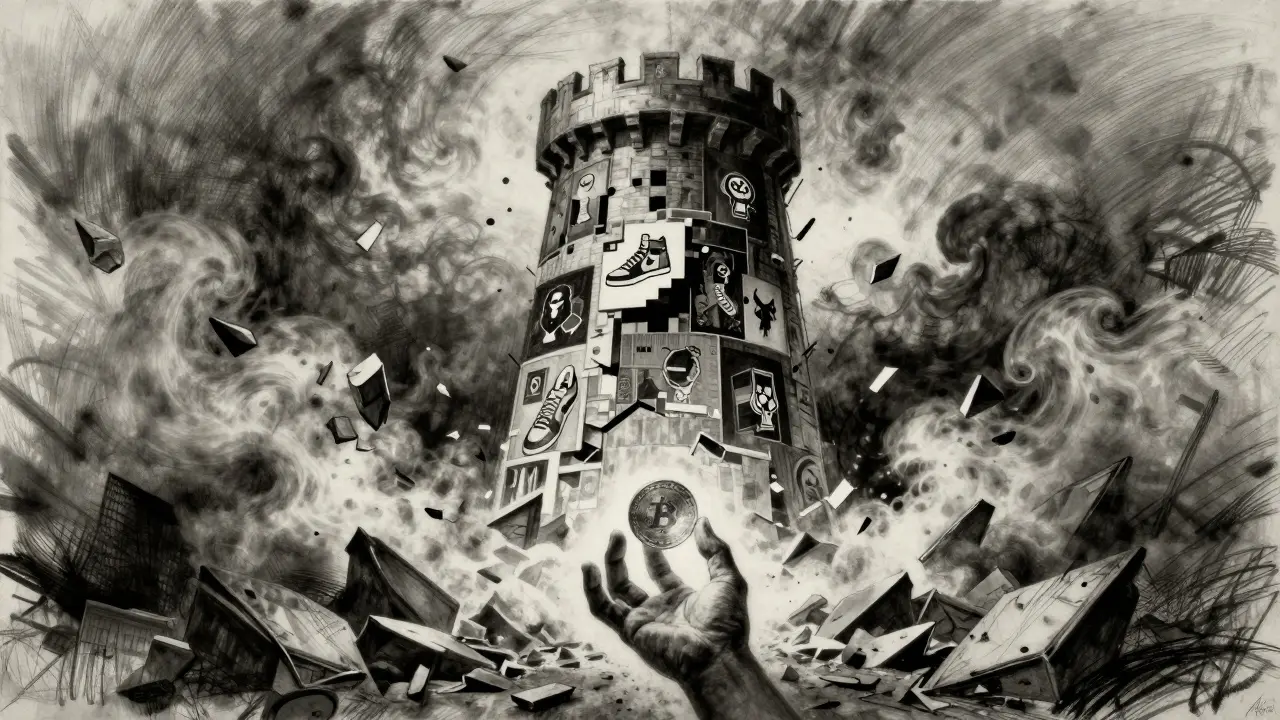
In late 2021, NFTs were everywhere. People paid millions for pixelated apes, celebrities posted their Bored Apes as profile pictures, and Gucci sold digital sneakers that cost more than real ones. The hype felt unstoppable. Then, by mid-2022, it all fell apart. Daily NFT sales dropped by 92% from their peak. What was once a $3 trillion market shrank to under $1 trillion in just six months. This wasn’t a slow decline. It was a freefall.
Why Everyone Thought NFTs Were the Future
The NFT boom didn’t start with tech insiders. It exploded because regular people saw a chance to get rich quick. The moment everything changed was March 2021, when Christie’s auctioned Beeple’s digital artwork Everydays: The First 5000 Days for $69 million. Suddenly, digital art had a price tag - and a story. People started believing NFTs were the new Picasso.
Before that, NFTs were mostly used by crypto nerds trading weird pixel art on Ethereum. After that, brands jumped in. NBA Top Shot sold highlight clips as collectibles. Dolce & Gabbana dropped digital fashion collections. Even McDonald’s tried to sell NFTs. Investors poured money in because they saw others making millions. The fear of missing out became stronger than logic.
The Numbers That Showed the Crash Was Real
The crash wasn’t just a feeling - it showed up in cold, hard data. By June 2022, NFT sales had dropped to $1 billion, down from a peak of $2.8 billion in a single month. That’s an 64% monthly drop. But the real story was in the details:
- Transaction volume fell 20% from Q1 to Q2 2022 - from over 12 million to under 10 million sales.
- The number of sellers dropped by 36%. Many just gave up.
- Buyers fell by 25%. No one wanted to be the last one in.
- Profit from resales crashed 46%. People who bought at the top lost half their expected returns.
- Ownership duration jumped 55%. People held onto NFTs not because they loved them - but because they couldn’t sell them.
It wasn’t just a dip. It was a collapse in confidence. The market stopped believing NFTs would keep rising. And when that belief vanished, so did the money.
What Really Killed the NFT Bubble?
There wasn’t one cause. It was a perfect storm.
First, the economy turned sour. Inflation hit 9.1% in June 2022. Grocery bills, rent, gas - everything got more expensive. People who had been buying NFTs with extra cash from pandemic stimulus checks suddenly needed that money for rent. They sold their NFTs just to survive. And since everyone was selling at once, prices collapsed.
Second, the stock market crashed. The S&P 500 lost 23% of its value from the end of 2021 to mid-2022. Investors pulled money out of risky assets - NFTs were at the top of that list. They didn’t see NFTs as investments. They saw them as gambling chips.
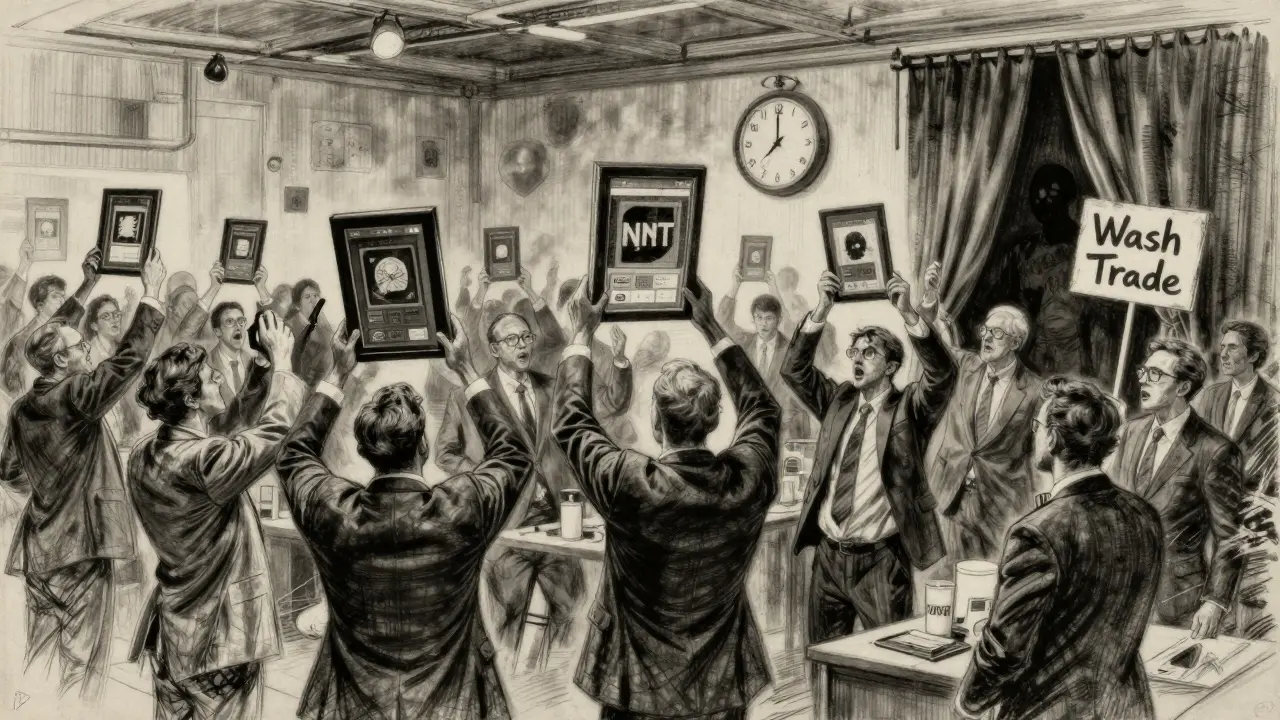
Third, wash trading was everywhere. Fake sales inflated prices. Someone would buy their own NFT with a second wallet to make it look popular. Then others jumped in, thinking it was in demand. When the truth came out - that most sales were fake - trust evaporated.
Fourth, gas fees on Ethereum made trading small NFTs pointless. If your NFT was worth $50, but selling it cost $30 in fees, what was the point? Many creators couldn’t even list their work without losing money.
Who Got Hurt the Most?
Not everyone lost. Early adopters who bought NFTs in 2020 or early 2021 often walked away with profits. But the people who jumped in late - especially between October and December 2021 - got crushed.
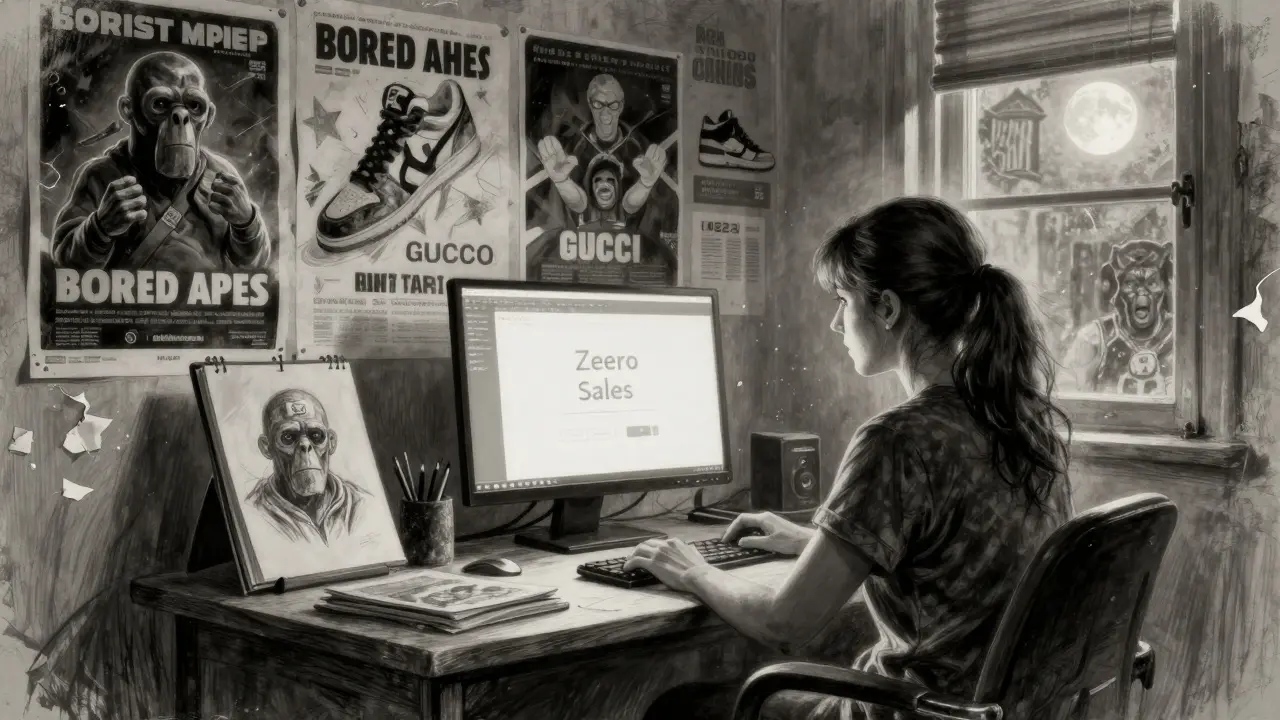
Artists who built their income around NFTs saw their sales vanish. One digital artist from New Zealand told me she made $15,000 in a single month in November 2021. By April 2022, she hadn’t sold a single piece. She had to go back to freelance design work.
Collectors who paid $100,000 for a CryptoPunk now struggle to sell it for $10,000. Some listings sit for months with zero bids. Reddit threads filled with posts like: “Is my Bored Ape even worth anything anymore?” The answer: sometimes, but not what you paid.
Investment funds that bet big on NFTs wrote off millions. One fund based in Singapore reported losing 87% of its NFT portfolio value in six months. They had to shut down their NFT division.
Why the Tech Itself Was Part of the Problem
NFTs were built on Ethereum, which was already struggling. High fees, slow transactions, and energy use turned off a lot of people - especially younger buyers who cared about climate impact. The environmental criticism wasn’t just noise. It made brands nervous. Companies that wanted to look green pulled back from NFT campaigns.
And there was no real utility. Most NFTs were just JPEGs. You owned a picture. But you didn’t own the copyright. You couldn’t print it. You couldn’t use it in a game. There was no reason to hold it except hope it would go up in price. When that hope vanished, so did the value.
Regulation and the Final Nail
As NFTs grew, governments started paying attention. The SEC in the U.S. began investigating whether some NFTs were unregistered securities. Tax agencies asked: How do you report this? What’s the cost basis? Where’s the receipt?
Institutional investors - banks, hedge funds, pension managers - were watching. But they couldn’t touch NFTs without clear rules. So they stayed out. And without big money coming in, the market had no floor. It kept falling.
Is There Any Life Left in NFTs?
Yes - but not the kind you saw in 2021.
Some projects are shifting focus. Instead of selling JPEGs, they’re building real use cases: digital tickets for concerts, verified ownership of virtual land in games, access passes to exclusive communities. Gaming companies are experimenting with NFTs as in-game items that players can truly own and trade.
Companies like Ubisoft and Square Enix are testing NFTs in games where items can move between titles. That’s not hype. That’s functionality. It’s slow. It’s boring. But it’s real.
And some artists are still making money - but not from flipping. They’re using NFTs to sell limited editions directly to fans, cutting out galleries and middlemen. That’s sustainable. That’s not a bubble.
What You Can Learn From the Crash
If you’re thinking about jumping into crypto or NFTs now, remember this: the 2022 crash wasn’t about technology failing. It was about speculation running wild. People bought things they didn’t understand, hoping someone else would pay more later. That’s not investing. That’s gambling.
The winners now aren’t the ones who bought at the top. They’re the ones who waited. They’re the ones building tools, platforms, and real use cases. The NFT market didn’t die. It matured. And that’s probably for the best.
What’s Next for NFTs?
Don’t expect another $69 million Beeple sale anytime soon. The era of pure speculation is over. But the idea of digital ownership? That’s here to stay.
Future NFTs won’t be about looking cool on Twitter. They’ll be about access, identity, and control. Think of them like a digital key - not a collectible. That’s the quiet revolution happening now. And it’s way more powerful than a monkey with a hat.


