
You’ve probably seen the buzz about a CDONK X CoinMarketCap airdrop. The promise is simple: free tokens from a partnership between Club Donkey and one of the biggest data platforms in crypto. It sounds like an easy win. But here’s the hard truth-this specific event does not exist. In fact, chasing it could cost you everything in your wallet.
As of May 2026, there is no official record of a joint distribution between Club Donkey (CDONK) and CoinMarketCap. This isn’t just a rumor; it’s a confirmed phishing narrative used by scammers to steal private keys and funds. If you’re looking for legitimate ways to earn CDONK or understand why this “airdrop” is dangerous, you need to look at the facts, not the hype.
The Truth About the CDONK Token
To understand why this airdrop claim is suspicious, we first need to look at what CDONK actually is. Club Donkey is a decentralized meme token built on the Binance Smart Chain (BSC). It positions itself as a community-driven experiment, often linked to another token called Donkey ($DONK).
Here are the hard numbers that matter:
- Network: Binance Smart Chain (BSC)
- Max Supply: 20 million tokens
- Circulating Supply: Zero (as reported by major trackers)
- Trading Volume: Zero
- Price: $0.00 USD
A token with zero circulating supply and zero trading volume has no active market. Legitimate airdrops usually happen for projects that already have traction, liquidity, and a user base. CDONK lacks all of these. When a project has no real economic activity, offering free tokens through a major platform like CoinMarketCap makes no business sense.
Why CoinMarketCap Would Not Host This Airdrop
CoinMarketCap is a data aggregator, not a venture capital firm or a token distributor. They list thousands of assets, but they do not give away tokens for projects they don’t control. Their role is to provide price data, market caps, and volume statistics.
If you check CoinMarketCap’s official airdrop section, you will find it empty or populated only by highly vetted, major protocol launches (like past events involving Arbitrum or LayerZero). There are currently zero upcoming airdrops listed on their platform for CDONK.
Furthermore, CoinMarketCap has strict listing criteria. To even be considered for featured promotions, a project needs:
- A minimum 30-day trading history.
- Liquidity exceeding $500,000 across multiple verified exchanges.
- Technical integration with CoinMarketCap’s wallet verification systems.
CDONK fails every single one of these checks. It has no trading history, no liquidity, and no technical integration. Therefore, any website claiming to host a "CDONK X CoinMarketCap" drop is impersonating the brand.
The Red Flags: How to Spot the Scam
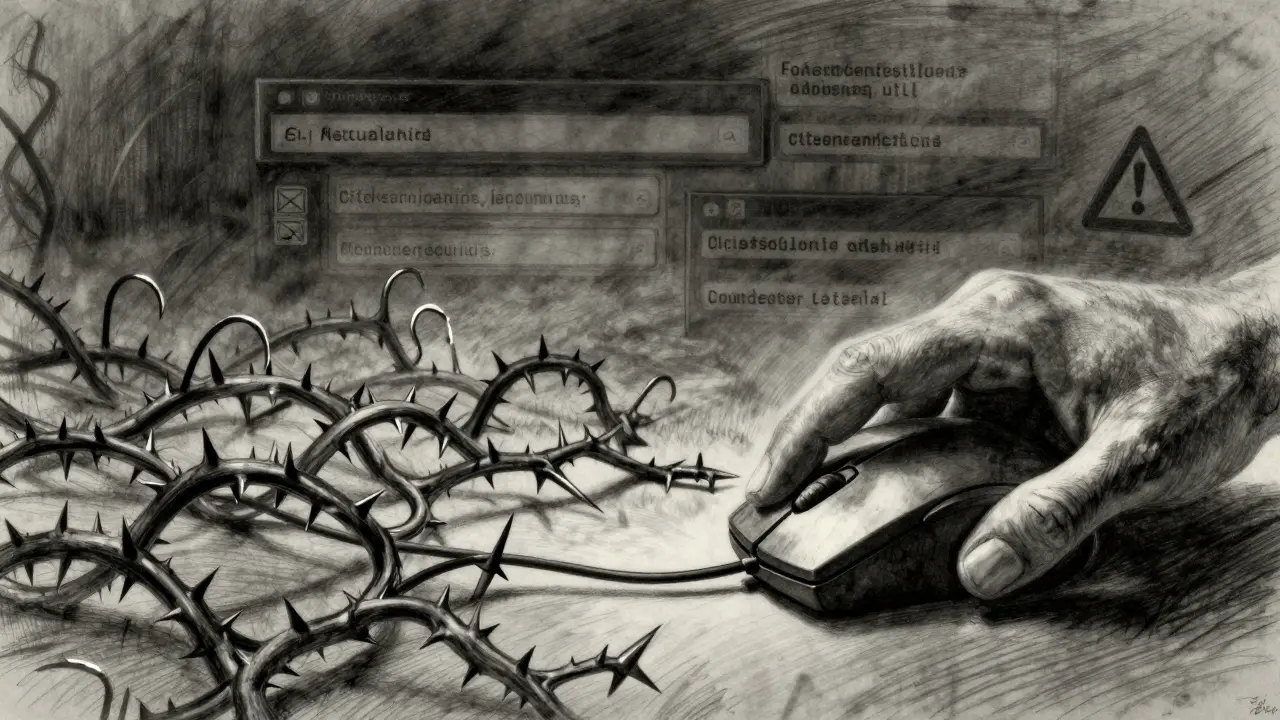
Scammers use the name "CoinMarketCap" because people trust it. They create fake websites that look almost identical to the real thing. Here is how they operate and how you can spot them immediately.
1. The Private Key Trap
This is the most critical rule in crypto: Never enter your private key or seed phrase into any website. Legitimate airdrops connect via Web3 wallets (like MetaMask) and request permission to read your address or sign a transaction. They never ask for your private key. If a site asks for it, it is stealing your wallet.
2. Fake Domains
Look closely at the URL. The real site is coinmarketcap.com. Scammers use domains like:
coinmarketcap-airdrop.comcmc-cdonk-drop.netcoinmarketcap-verify.org
These slight variations are designed to trick your eye. Always type the main domain manually into your browser.
3. Social Media Impersonation
The official Club Donkey Twitter handle (@ClubDonkeyBSC) has very low engagement and no pinned announcement about a CoinMarketCap partnership. Scammers often create fake accounts with similar names to post links to their phishing sites. Check for the blue checkmark and follower count. Real partnerships are announced loudly and clearly by both parties.
The Damage: Real Victims and Data
This isn’t just theoretical risk. Blockchain security firms have tracked significant losses from this specific narrative. According to reports from security analysts in late 2025, over 98% of notifications claiming to be "CoinMarketCap airdrops" were phishing attempts.
One notable incident involved a cluster of fake domains impersonating a CDONK airdrop. These sites were traced to a single Ethereum address that stole approximately $287,400 from over 12,000 victims. These users connected their wallets, thinking they would receive free tokens, but instead authorized transactions that drained their ETH, BNB, or other assets.
The pattern is consistent:
- User sees a tweet or ad about "Free CDONK."
- User clicks a link to a fake CoinMarketCap page.
- User connects their wallet.
- User signs a malicious transaction (often disguised as a "claim" button).
- Funds are sent to the scammer’s wallet instantly.
How to Verify Legitimate Airdrops
Not all airdrops are scams. Projects like Base, MetaMask, and various Layer 2 networks have distributed millions of dollars in tokens legitimately. How do you tell the difference?
1. Check Official Channels Only
Go directly to the project’s official website or their verified Twitter/X account. Do not click links from DMs, comments, or third-party aggregators unless you verify the source. Legitimate projects announce airdrops on their own blogs and social media channels with clear eligibility criteria.
2. Look for On-Chain Activity Requirements
Real airdrops require you to have used the product. For example, you might need to have bridged funds, traded on a DEX, or held a specific NFT. They rarely give tokens away just for clicking a button. If the requirement is simply "connect wallet and claim," it is likely a scam.
3. Use Reputable Trackers
Sites like CoinGecko or dedicated airdrop trackers verify opportunities before listing them. They check contract safety and project legitimacy. If CDONK is not listed on these reputable platforms as an active airdrop, assume it is not happening.
What Should You Do With CDONK?
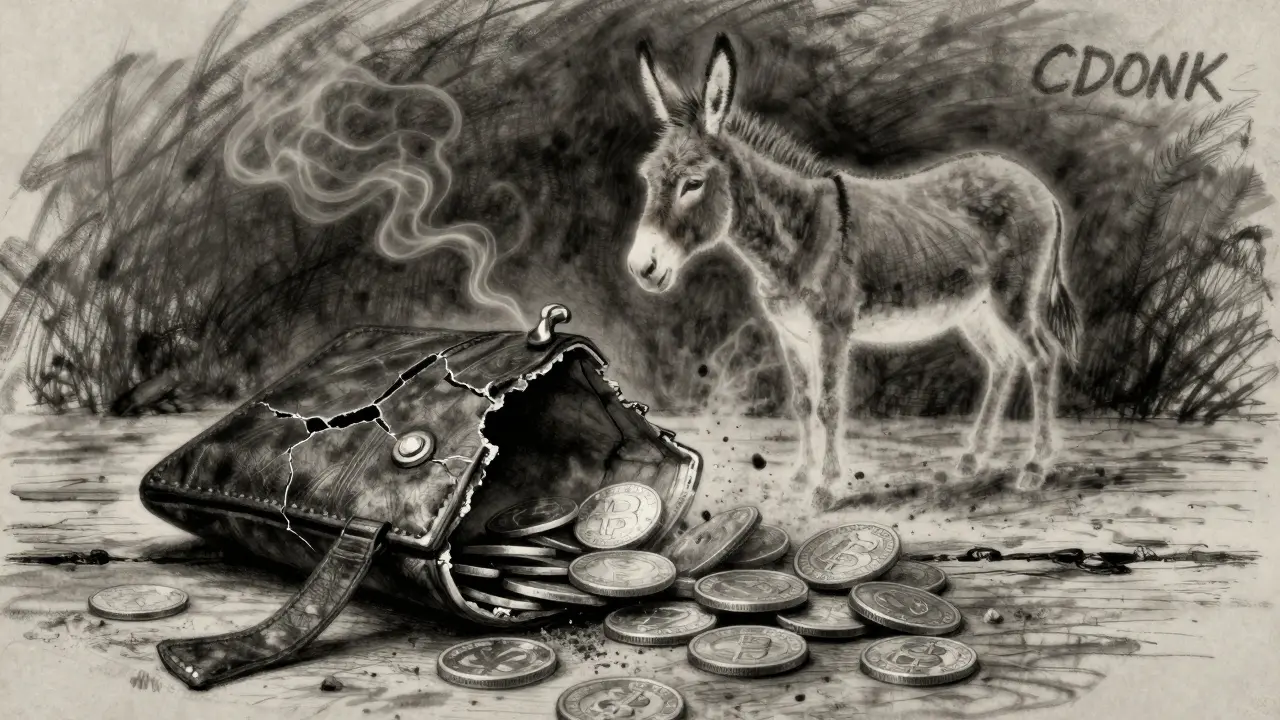
If you already hold CDONK tokens, keep them in a secure hardware wallet if possible. However, be aware that tokens with zero liquidity cannot be sold easily. You may not be able to trade them for USDT or BTC without suffering massive slippage or finding a buyer.
If you are considering buying CDONK hoping for an airdrop payout, stop. The token has no market value, no utility, and is associated with phishing campaigns. Investing in it carries extreme risk with zero realistic reward.
The best move is to ignore the noise. Focus on projects with transparent teams, audited code, and real usage. In the world of meme coins and BSC tokens, skepticism is your best security tool.
Is the CDONK X CoinMarketCap airdrop real?
No, it is not real. CoinMarketCap does not host this airdrop, and Club Donkey has not announced such a partnership. Any website claiming otherwise is a phishing scam designed to steal your crypto assets.
How do I know if an airdrop website is fake?
Check the URL carefully for misspellings or extra words. Never enter your private key or seed phrase. Legitimate airdrops only ask for wallet connection permissions. Also, verify the news on the official Twitter accounts of both the project and the platform mentioned.
Can I still get CDONK tokens legally?
You can only acquire CDONK by trading it on supported decentralized exchanges on the Binance Smart Chain. However, please note that the token currently has zero trading volume and zero circulating supply, making it impossible to buy or sell effectively.
What happens if I connect my wallet to a fake airdrop site?
If you connect your wallet and sign a transaction on a fake site, scammers can drain your funds instantly. They may also harvest your address for future targeted attacks. Immediately disconnect the wallet, revoke approvals using tools like Revoke.cash, and monitor your transactions.
Why do scammers use the name CoinMarketCap?
Scammers use trusted brand names like CoinMarketCap to lower users' guard. People are more likely to trust a site that looks like a well-known platform. This social engineering tactic increases the success rate of phishing attacks significantly.